Easy Poke Bowl Recipe – Ready in 25 Minutes

Cold cubes of tuna glazed in soy and sesame oil, sitting on warm rice that’s still steaming enough to soften the edamame next to it. That contrast between hot and cold is the whole point of a good poke bowl, and it’s the part most home versions get wrong by letting the rice cool too long before assembly.
This poke bowl comes together in about 25 minutes, most of which is hands off while the fish marinates. You get restaurant quality flavor without a poke counter markup, and you control exactly how much fish, how much heat, and how many toppings go in your bowl. The tuna needs just fifteen minutes in the marinade, so this works for a weeknight dinner as easily as a lazy Sunday lunch.
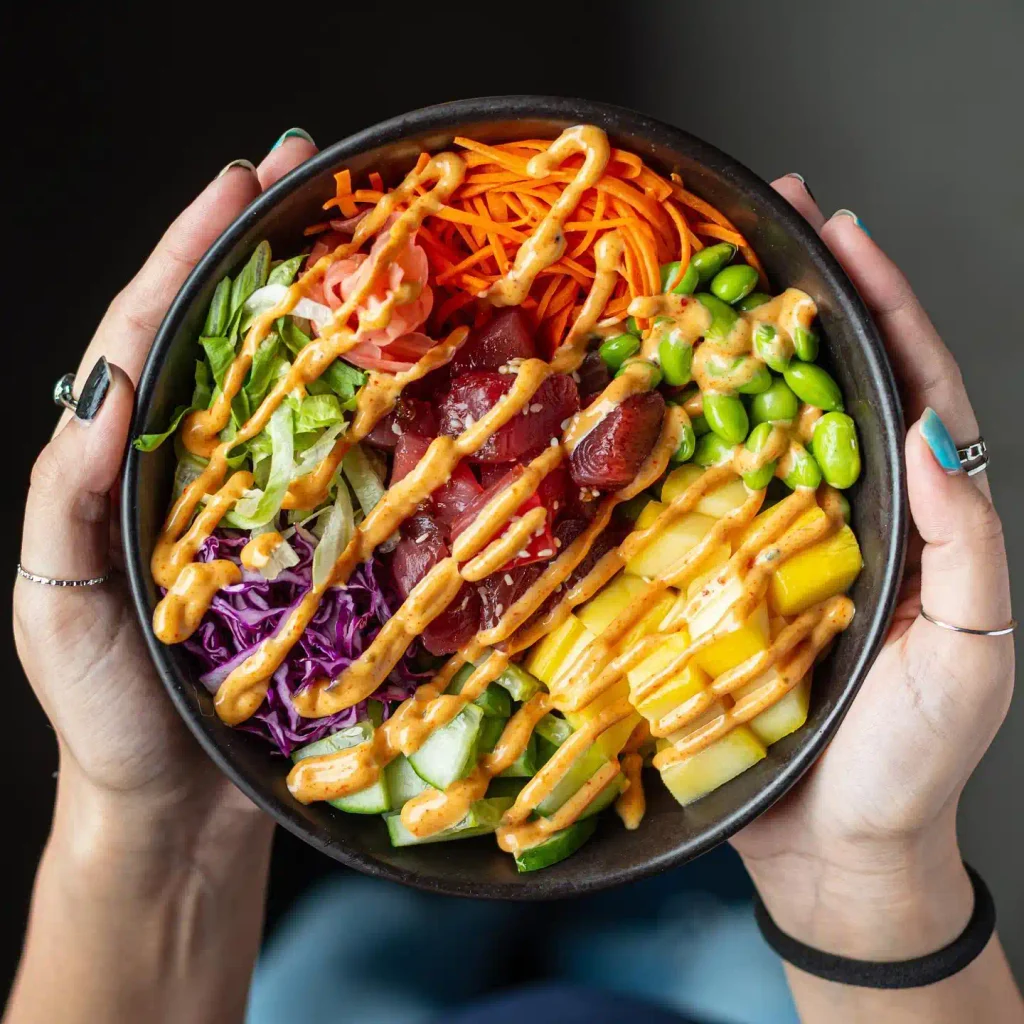
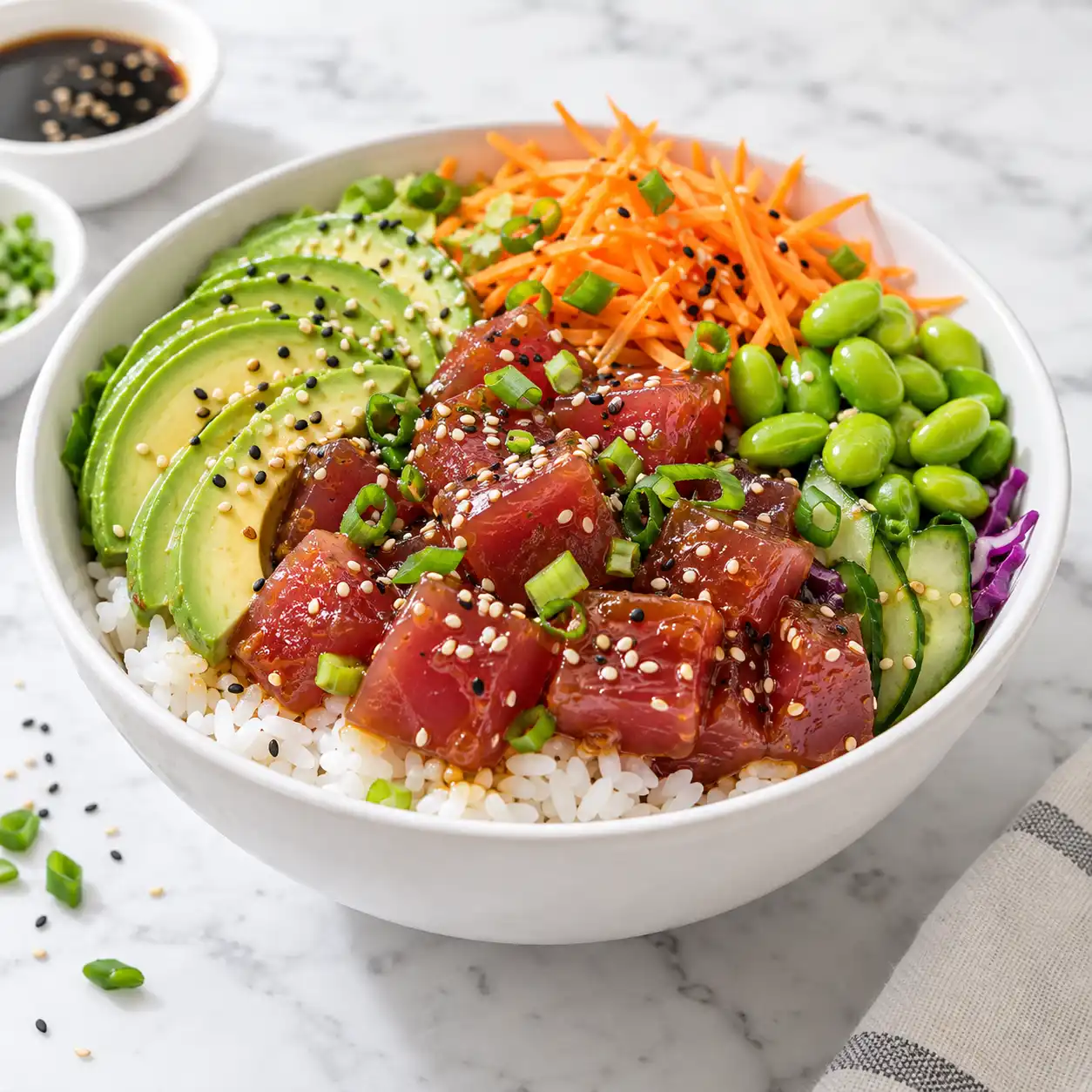
[AI IMAGE PROMPT: A finished poke bowl on a white marble surface, glossy ruby red ahi tuna cubes glistening with sesame oil marinade, arranged over warm white rice with sliced avocado, shredded carrot, and edamame. Sesame seeds and scallions scattered on top. Soft natural daylight, 45 degree angle, white ceramic bowl.] [IMAGE PLACEHOLDER — alt-text: “Poke bowl with marinated ahi tuna, rice, avocado, and edamame in a white ceramic bowl” | filename: “poke-bowl-final-plated-shot.jpg” | orientation: horizontal]
Why You’ll Love This Recipe
- No cooking skills required. The hardest technical step is cutting fish into cubes, and even a rough dice tastes fine once it’s coated in marinade.
- Ready faster than delivery. Between rice, marinade, and chopping, you’re eating in under half an hour, which beats waiting on a food app in most cities.
- Fully customizable. Swap tuna for salmon, or skip raw fish entirely and use seared tofu, without changing the base recipe.
- Built in portions. Everything is bowl food, so it’s easy to prep two or four servings without extra math.
- Naturally gluten free friendly. Swap regular soy sauce for tamari and the whole bowl fits a gluten free diet with no other changes.
Ingredient Selection Tips
Buy your tuna the same day you plan to eat it, and ask specifically for “sushi grade” or “sashimi grade” at the counter, since that label means the fish has been handled and frozen according to FDA guidelines for raw consumption. Look for tuna that’s a deep, even red or pink with no browning at the edges and no strong fishy smell, just a clean ocean scent. If sushi grade tuna isn’t available near you, cooked and cooled shrimp or seared salmon are safer swaps that still deliver on texture.
Recipe Snapshot
| Servings | Difficulty | Course | Cuisine | Prep Time | Cook Time | Total Time | Calories |
| 2 | Easy | Main Course | Hawaiian | 20 minutes | 15 minutes | 35 minutes | 520 kcal |
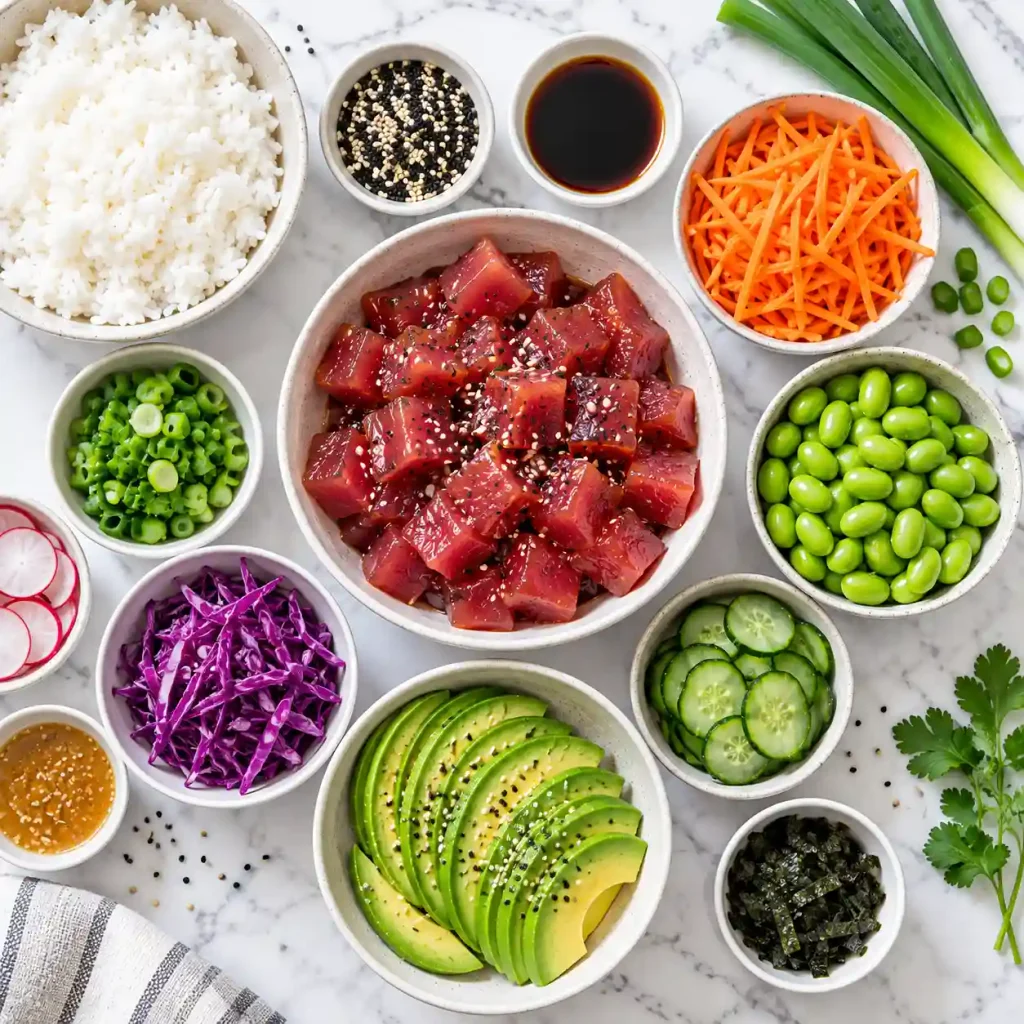
Ingredients
For the rice:
- 1 cup sushi rice or short grain white rice (rinsed until the water runs clear, this keeps the grains from turning gummy)
- 1 1/4 cups water
- 2 tablespoons rice vinegar
- 1 teaspoon sugar
- 1/4 teaspoon salt
For the tuna:
- 12 oz sushi grade ahi tuna, cut into 1/2 inch cubes (the size matters here, smaller cubes soak up more marinade and season faster)
- 3 tablespoons soy sauce or tamari for a gluten free version
- 1 tablespoon toasted sesame oil (skip untoasted sesame oil, it lacks the nutty depth this dish needs)
- 1 teaspoon rice vinegar
- 1/2 teaspoon grated fresh ginger
- 1 clove garlic, minced
- 1/2 teaspoon chili garlic sauce, optional for heat
For the bowl:
- 1 ripe avocado, sliced
- 1/2 cup shelled edamame, steamed
- 1/2 cup shredded carrot
- 1/2 cup thinly sliced cucumber
- 2 green onions, thinly sliced
- 1 tablespoon sesame seeds
- Pickled ginger, for serving
- Sriracha or spicy mayo, optional
Read Also: Taco Salad Recipe
Recipe Timing
The rice takes about 15 minutes to cook plus 5 minutes resting, and you can start the tuna marinating during that resting window so nothing sits idle. Chopping the vegetables takes roughly 10 minutes and overlaps with the marinade time, which is why the whole bowl comes together in well under 40 minutes even though several components are happening at once.
Allergen & Dietary Disclosure
This recipe contains soy (from soy sauce) and sesame (from sesame oil and seeds). For a soy free version, swap soy sauce for coconut aminos, which brings a milder, slightly sweeter flavor. Sesame is harder to replace without losing the character of the dish, so if you’re cooking for someone with a sesame allergy, this recipe likely isn’t a safe fit without significant changes. If you or a guest has a severe food allergy, check every label yourself and don’t rely on this recipe as a guarantee of safety.
Equipment Needed
- Sharp chef’s knife. A dull blade tears the tuna instead of cutting clean cubes, which affects both texture and how evenly it marinates.
- Small saucepan with a lid. Needed for cooking the rice; a rice cooker works too if you have one.
- Non reactive mixing bowl. Glass or ceramic, since metal bowls can react with the acidic marinade and give the fish a metallic taste.
- Fine mesh strainer. Used for rinsing the rice before cooking, which removes excess starch.
Preparation
Rinse the rice in a fine mesh strainer under cold water until the runoff turns from cloudy to nearly clear, then set it aside to drain for a few minutes. Pat the tuna dry with a paper towel before cubing it, since excess moisture on the surface dilutes the marinade. Have your non reactive bowl ready for the tuna, and get your vegetables chopped and staged so everything’s within reach once the fish starts marinating.
Callout Box: If you’re nervous about handling raw fish for the first time, keep your knife, cutting board, and hands as cold as possible during prep. Warm hands soften the fish and make it harder to get clean cuts.
Step-by-Step Instructions
Step 1: Cook the rice Combine the rinsed rice and water in a saucepan, bring it to a boil, then drop the heat to low, cover, and let it simmer for 15 minutes without lifting the lid. Pull it off the heat and let it rest, still covered, for 5 more minutes so the steam finishes the job.
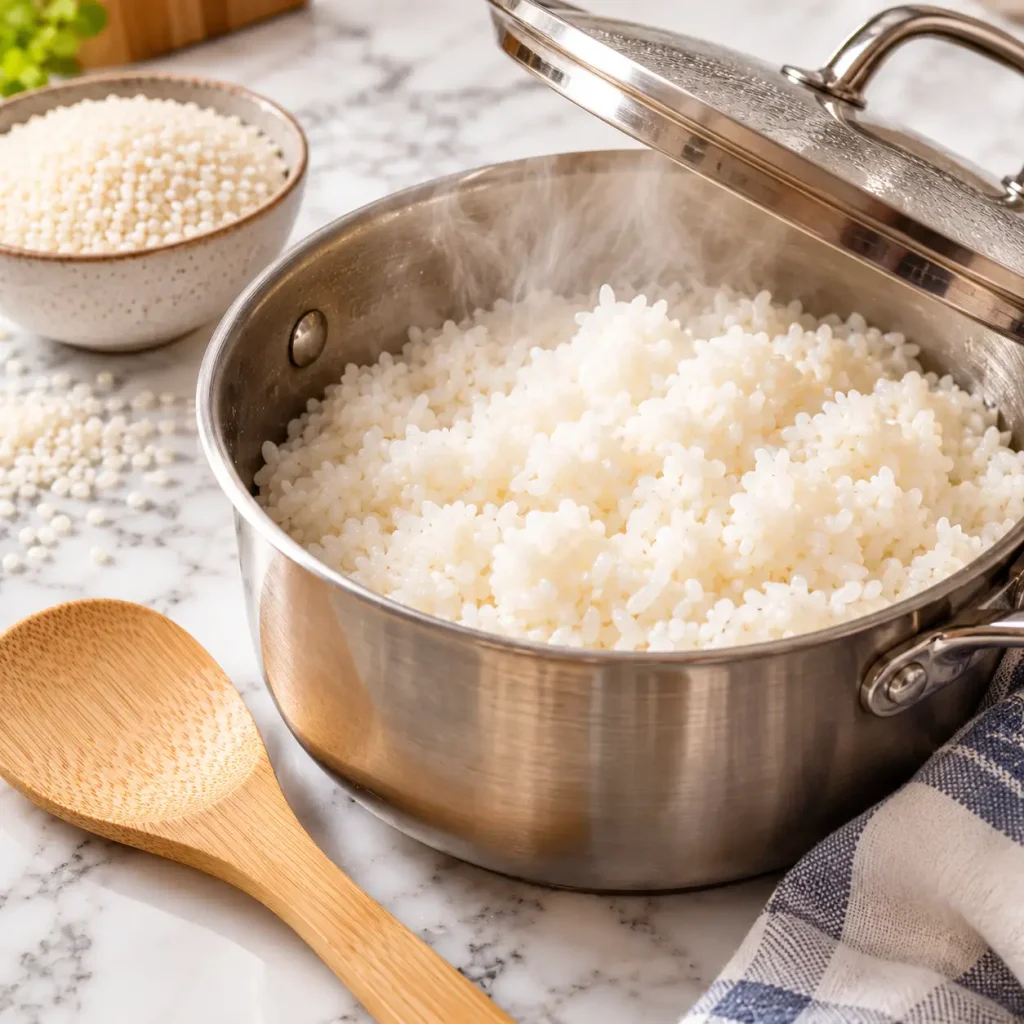
Chef’s Note: Lifting the lid early releases steam the rice needs to cook evenly, which is the most common reason home cooked rice turns out crunchy in the center.
Step 2: Season the rice Stir the rice vinegar, sugar, and salt together in a small bowl until the sugar dissolves, then fold this mixture into the warm rice with a spatula, using a cutting motion rather than stirring so you don’t mash the grains.
Step 3: Mix the marinade Whisk the soy sauce, sesame oil, rice vinegar, ginger, garlic, and chili garlic sauce together in your non reactive bowl until fully combined.
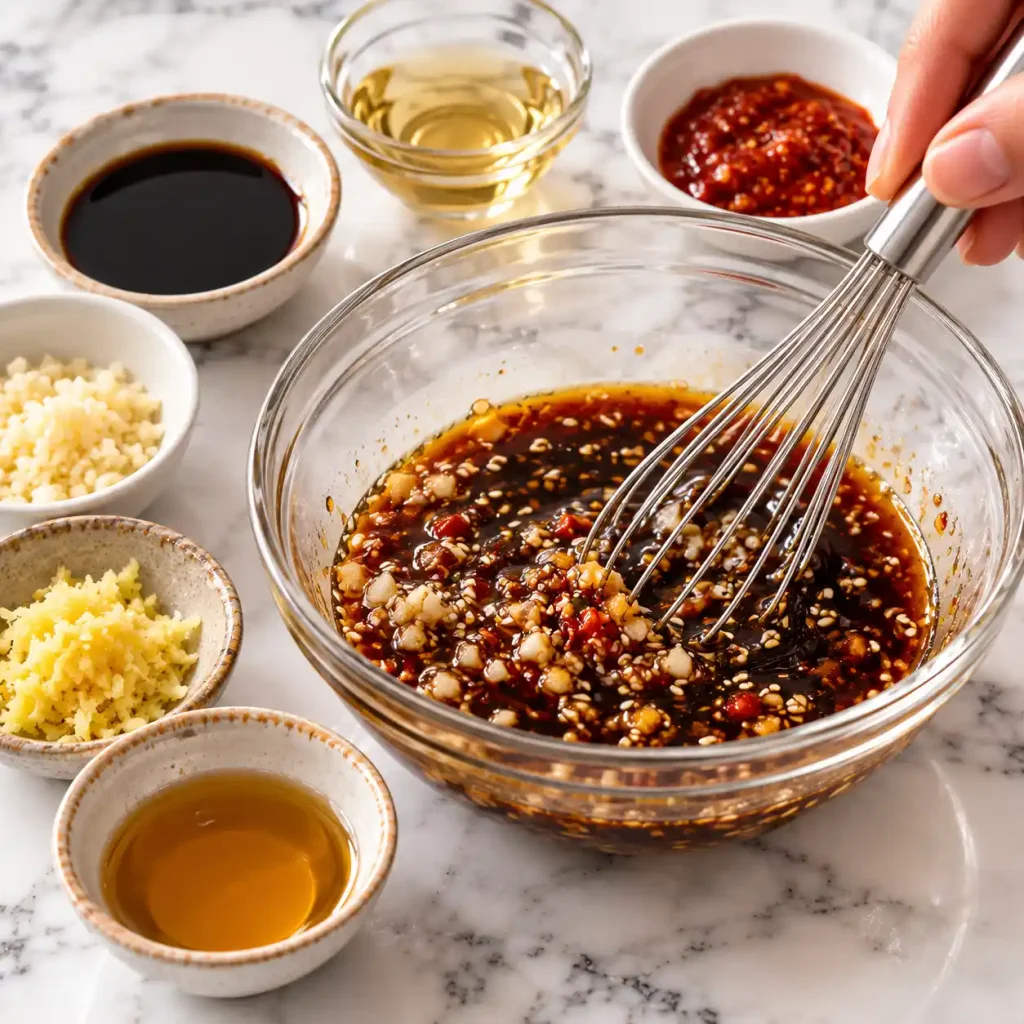
Step 4: Marinate the tuna Add the cubed tuna to the marinade and gently fold it in with a spatula until every piece is coated. Cover and refrigerate for 15 minutes; any longer and the acid in the marinade will start to firm up the texture the way it would in a ceviche.
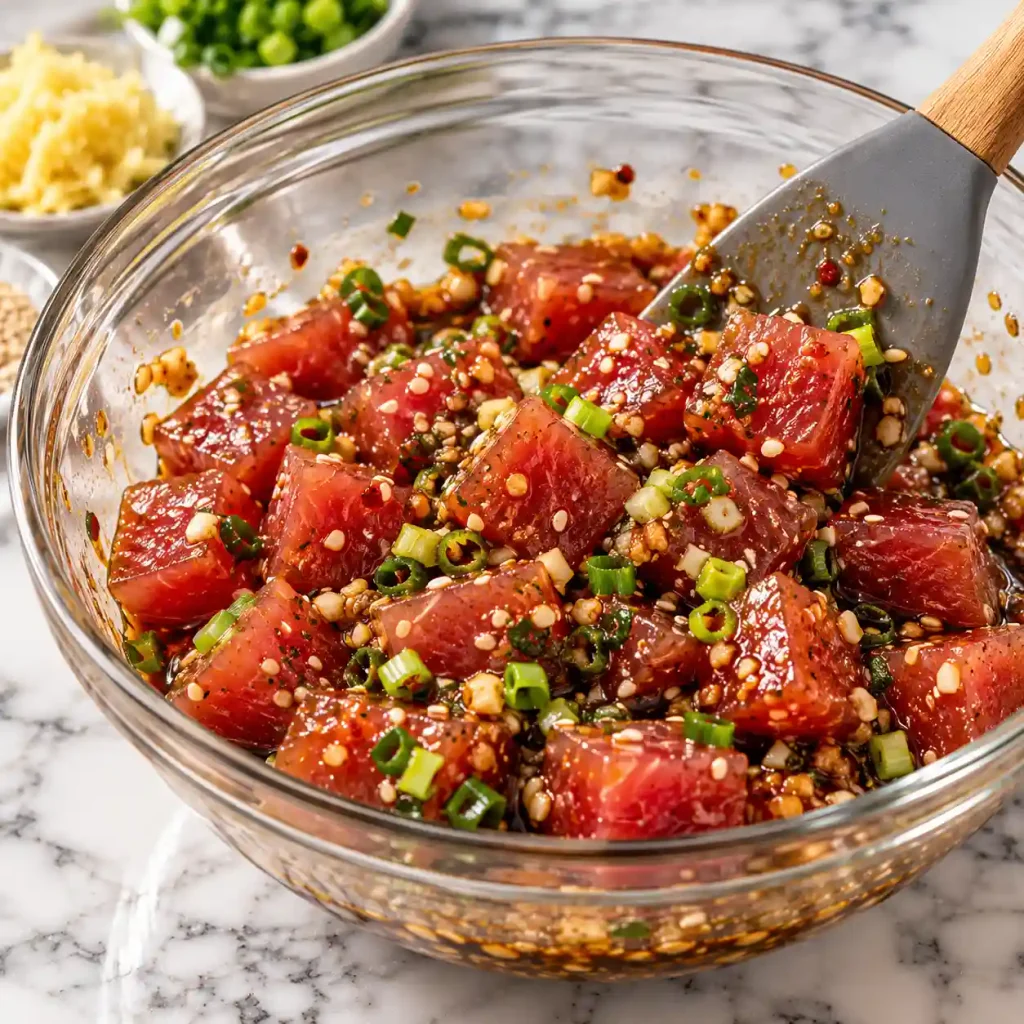
Chef’s Note: Fifteen minutes is the sweet spot. The fish absorbs flavor without the texture turning from silky to firm, which is what happens if you leave it marinating for an hour or more.
Step 5: Prep the toppings While the tuna marinates, steam the edamame for 3 to 4 minutes until bright green, then shred the carrot, slice the cucumber, and slice the avocado just before serving so it doesn’t brown.
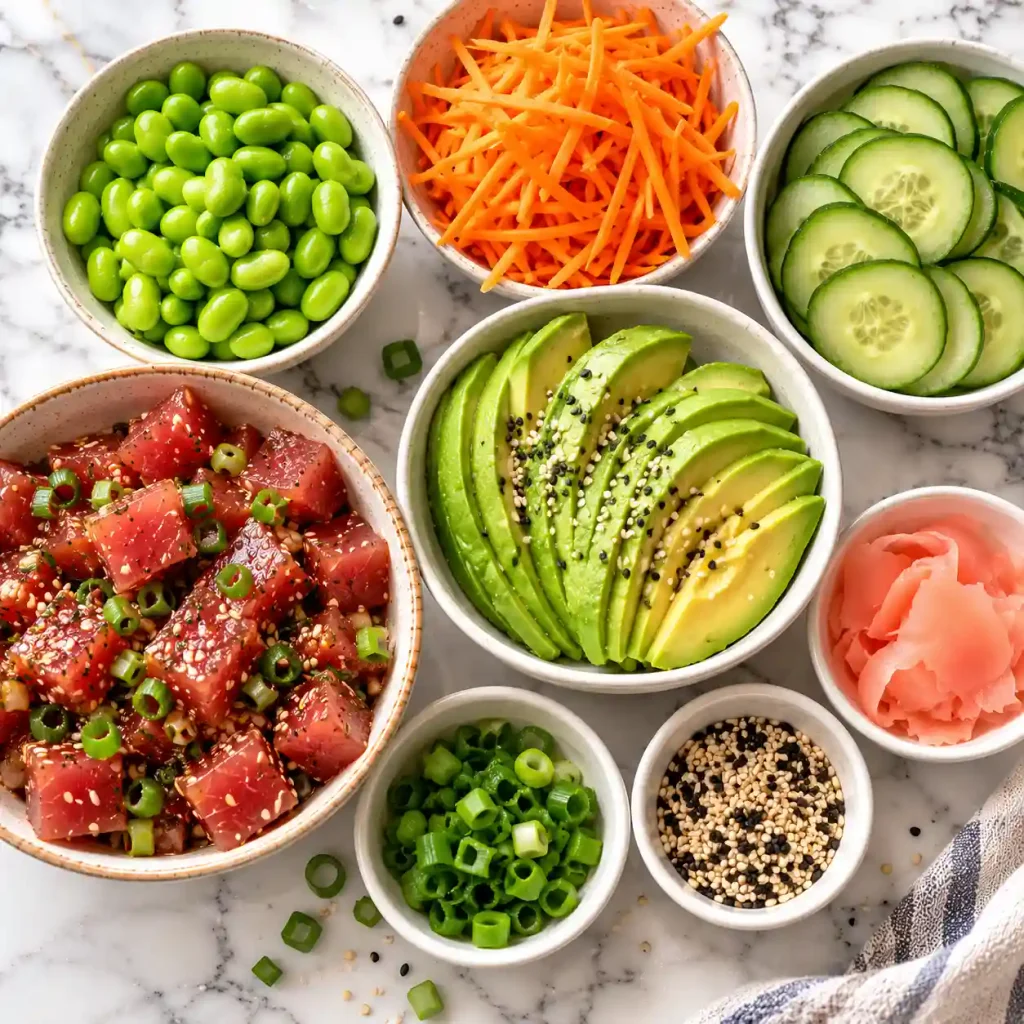
Step 6: Warm food safety check Since the tuna is served raw, keep it refrigerated right up until assembly, and use a separate cutting board for the fish than the one you used for vegetables to avoid cross contact.
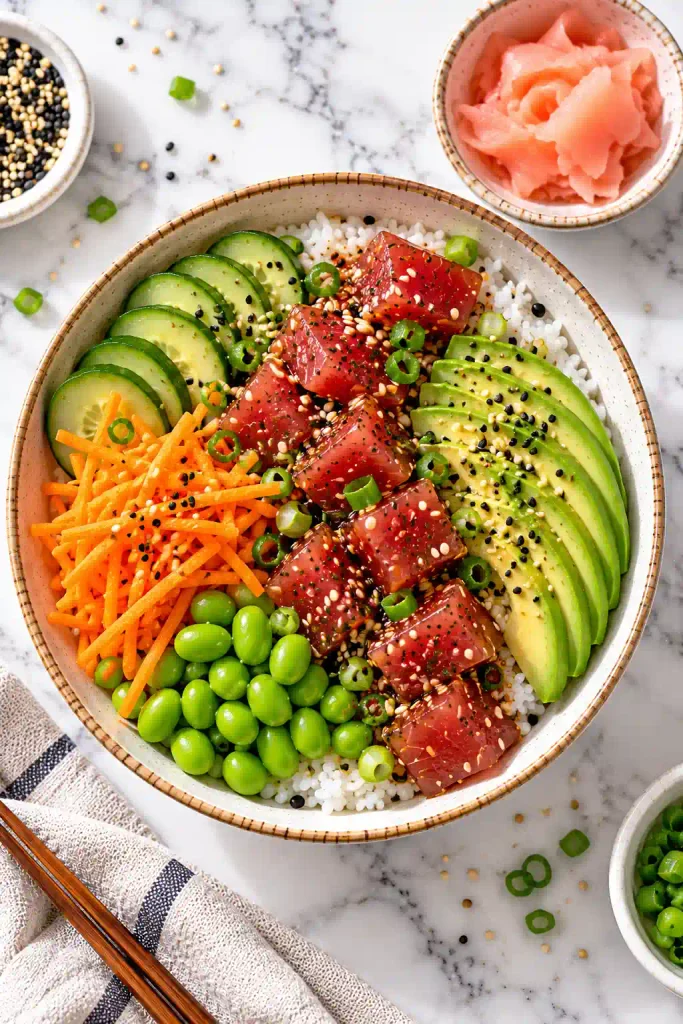
Step 7: Build the bowls Divide the seasoned rice between two bowls while it’s still warm, then arrange the marinated tuna, avocado, edamame, carrot, and cucumber in sections on top.
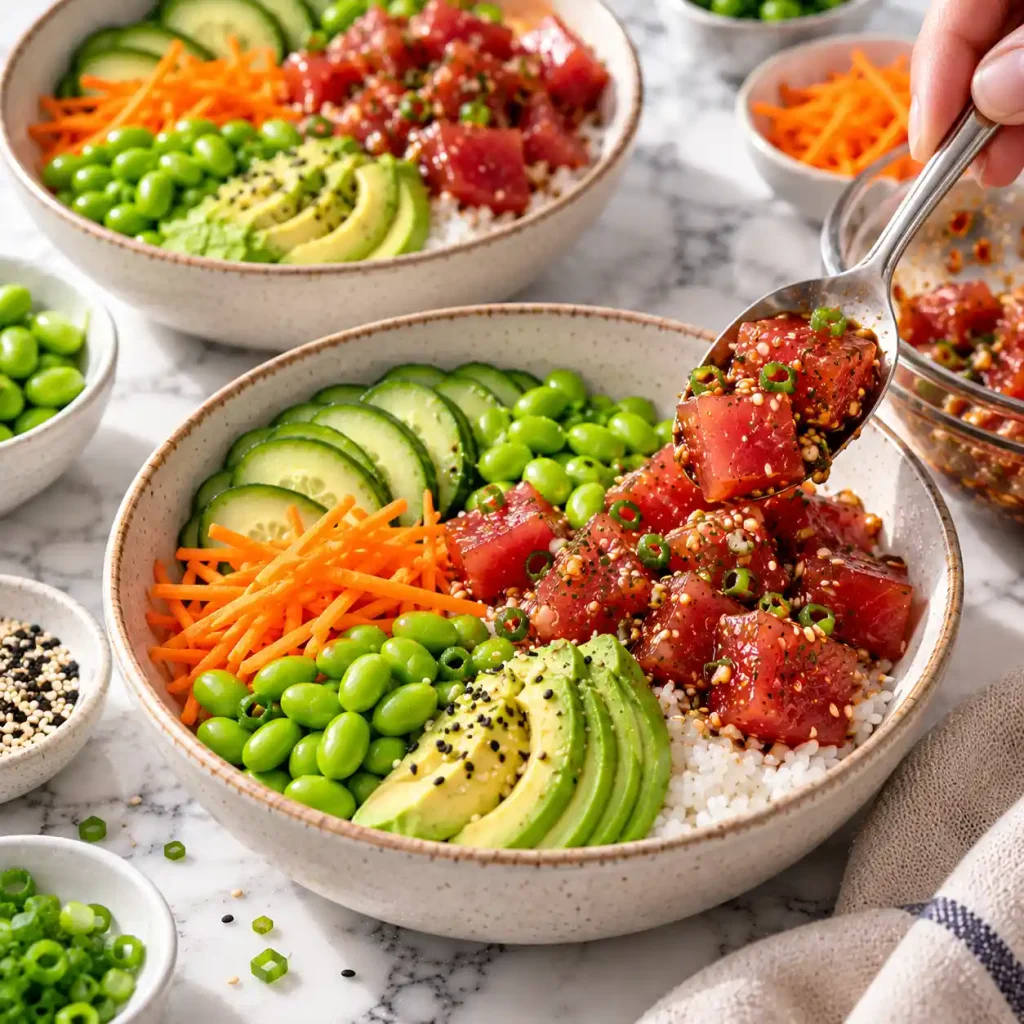
Chef’s Note: Keeping the toppings in sections rather than tossed together lets you see and taste each ingredient on its own, which is closer to how poke is traditionally served at a counter.
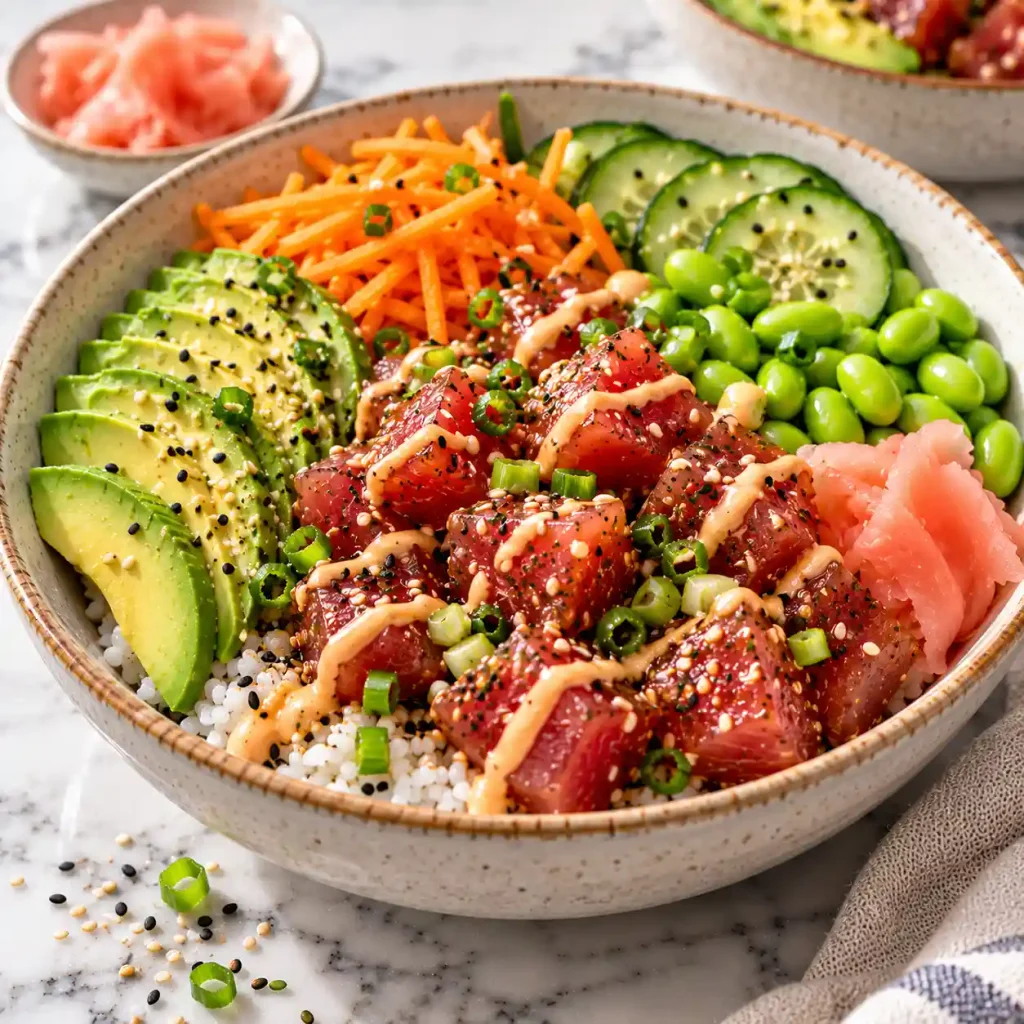
Step 8: Finish and serve Sprinkle sesame seeds and green onion over the top, add a spoonful of pickled ginger on the side, and drizzle with sriracha or spicy mayo if you want extra heat. Serve immediately.
Read Also: Beef Stew Recipe
Expert Tips & Tricks
- Freeze the tuna for 20 minutes first. Slightly firm fish is much easier to cube cleanly than fish straight from the fridge.
- My biggest early mistake: I used to marinate the tuna for a full hour thinking more time meant more flavor, and it turned the texture rubbery instead of silky. Fifteen minutes really is enough.
- Cook rice a day ahead. Refrigerate it in an airtight container and bring it back to room temperature or gently reheat it before serving; day old rice actually holds its shape better for poke bowls.
- Store leftover marinade separately. Never reuse marinade that raw fish sat in unless you boil it first, and even then it’s simpler to just make a fresh batch.
- Salt your cucumber. A light sprinkle of salt on sliced cucumber for 5 minutes, then a pat dry, pulls out excess water and keeps your bowl from getting watery.
- Cut against any visible grain lines in the tuna loin for a more tender bite; cutting with the grain makes the pieces chewier.
Common Mistakes & Troubleshooting
| Problem | Why It Happens | How to Fix or Prevent It |
| Tuna tastes fishy or off | Fish wasn’t fresh or sushi grade, or sat out too long before serving | Buy sushi grade tuna the day you plan to eat it and keep it chilled until the moment you serve |
| Rice turns mushy | Too much water or rice wasn’t rinsed before cooking | Rinse until water runs clear and stick to the 1 to 1.25 water ratio |
| Marinade tastes too salty | Regular soy sauce was measured heavy, or tamari (which is more concentrated) was swapped in equally | Start with slightly less soy sauce and taste before adding more |
| Fish texture turns rubbery | Tuna marinated too long in the acidic mixture | Cap marinating time at 15 minutes and never exceed 30 |
| Avocado browns before serving | Sliced too early and left exposed to air | Slice avocado last, right before you plate the bowl |
Storage, Reheating, Freezing, Make-Ahead
Refrigerator: Marinated raw tuna should be eaten the same day it’s prepared and stored no longer than a few hours in the fridge before serving; don’t plan on leftovers with the fish component. Cooked rice and prepped vegetables, stored separately in airtight containers, keep well for up to 3 days.
Freezing: Freezing isn’t recommended once the tuna has been cut and marinated, since thawing changes the texture significantly. If you want to freeze ahead, freeze the raw, uncut tuna loin and thaw it in the fridge before prepping the recipe.
Reheating: Only the rice needs reheating. A short 30 second burst in the microwave with a damp paper towel over the bowl brings it back to a good texture without drying it out.
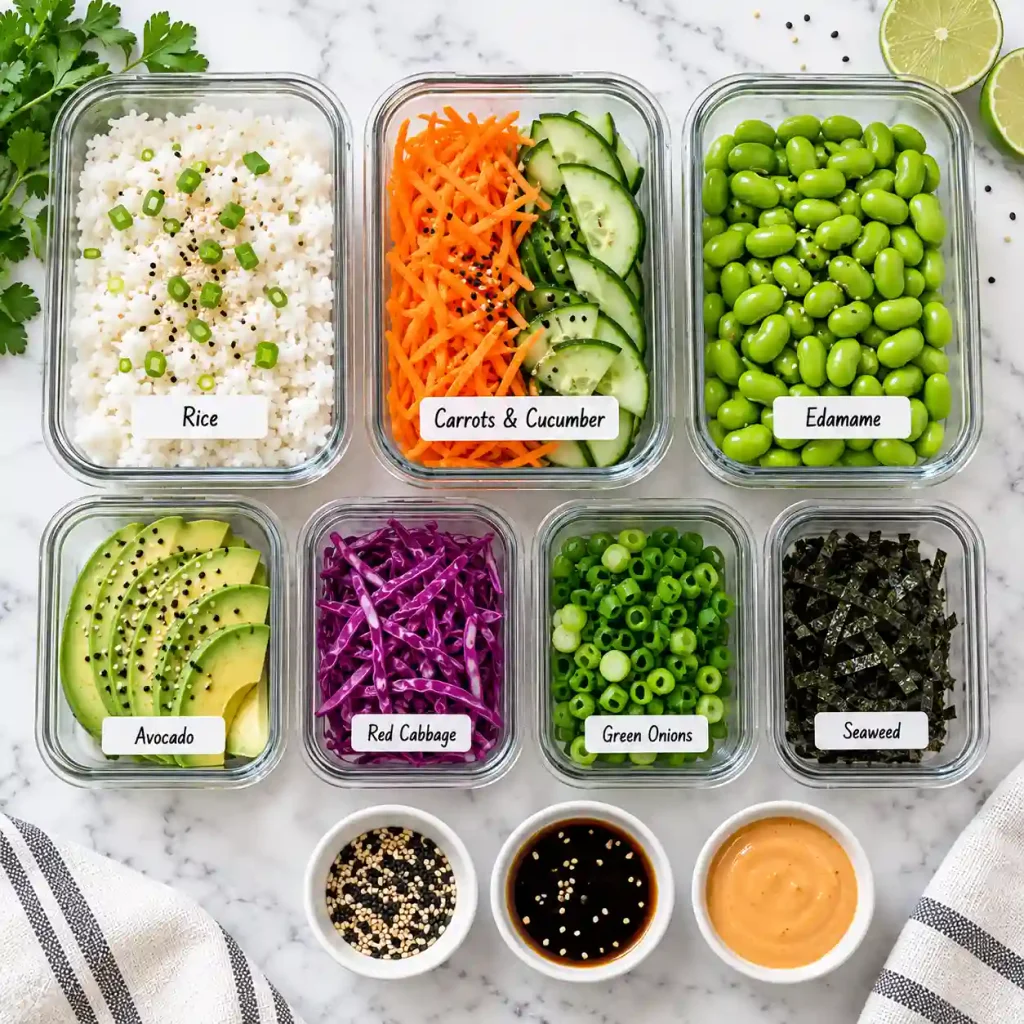
Make Ahead: Cook the rice and prep all vegetables up to a day in advance, storing each component in its own container, then marinate the tuna fresh right before you plan to eat. My habit is prepping everything except the fish and avocado the night before, which cuts actual dinner time down to about 10 minutes.
Variations & Substitutions
- Spicy poke: Mix a tablespoon of sriracha and a tablespoon of mayo, drizzle it over the finished bowl for a creamy, spicy contrast.
- Salmon poke: Swap the tuna for an equal amount of sushi grade salmon, cubed the same way; it takes the marinade slightly differently since salmon is fattier.
- Cooked poke bowl: Sear the tuna cubes in a hot pan for about 30 seconds per side instead of serving raw, which works well for anyone unsure about raw fish.
- Vegetarian poke: Replace the tuna with pressed, cubed firm tofu, marinated the same way, then pan seared for a couple minutes per side for texture.
- Brown rice base: Swap sushi rice for cooked brown rice for more fiber; it needs a slightly longer cook time, closer to 35 to 40 minutes.
- Mango poke: Add a half cup of diced ripe mango for a sweet contrast against the savory marinade, a common addition at Hawaiian poke shops.
Serving Suggestions
- Pair with a simple miso soup for a light, complete meal.
- A cold cucumber salad on the side echoes the fresh flavors already in the bowl.
- Crushed wonton strips or crispy garlic add crunch if you want extra texture.
- Iced green tea or a light lager both work well alongside the sesame and soy flavors.
- For a bigger spread, serve alongside [INTERNAL LINK: homemade spicy mayo recipe] and [INTERNAL LINK: quick pickled vegetables recipe].
- Leftover rice and vegetables make a great base for [INTERNAL LINK: a simple fried rice recipe] the next day.
Nutrition Information
Serving size: 1 bowl (recipe makes 2 servings)
| Nutrient | Amount |
| Calories | 520 kcal |
| Protein | 34 g |
| Carbohydrates | 52 g |
| Fiber | 7 g |
| Sugar | 4 g |
| Fat | 20 g |
| Saturated Fat | 3 g |
| Cholesterol | 45 mg |
| Sodium | 780 mg |
This bowl is a solid source of protein from the tuna and healthy fats from the avocado and sesame oil, plus a meaningful dose of fiber from the edamame and vegetables. These numbers are estimates only, and actual values will shift depending on the specific brands you use and how you measure each ingredient.
Why This Recipe Works
Marinating the tuna briefly rather than for an extended period preserves the natural silky texture of raw fish while still letting the soy, sesame, and ginger flavors penetrate the surface of each cube. Acid from the rice vinegar in the marinade begins to lightly “cook” the outer layer of the fish the same way it does in ceviche, which is exactly why keeping the time short matters so much here.
Seasoning the rice with vinegar and sugar while it’s still warm allows the grains to absorb the seasoning evenly, since warm rice is more porous than cooled rice. This is the same principle used in traditional sushi rice preparation, and it’s the difference between rice that tastes seasoned throughout versus rice that only tastes seasoned on the surface.
Keeping the toppings separated on the plate rather than mixed together lets each ingredient’s temperature and texture stay distinct, warm rice next to cold fish next to crisp vegetables, which is part of what makes poke bowls satisfying to eat.
Read Also: Broccoli Salad Recipe
Frequently Asked Questions
FAQ Source Note: The questions below reflect typical search patterns and common reader questions around raw fish safety, substitutions, and timing for poke bowls; they are based on general patterns rather than a specific live search.
Can I make a poke bowl without raw fish?
Yes. Sear the tuna cubes for about 30 seconds per side in a hot pan, or swap in cooked shrimp, seared salmon, or marinated tofu. The marinade and rest of the recipe stay exactly the same, so you lose none of the flavor.
How long can I store a poke bowl in the fridge?
The vegetables and rice keep well separately for up to 3 days, but marinated raw tuna should be eaten the same day it’s prepared. Don’t plan to store assembled poke bowls with raw fish as leftovers.
What can I use instead of ahi tuna?
Sushi grade salmon is the closest substitute and takes the same marinade well. For a fully cooked option, seared tofu or cooked shrimp both work, though the texture will be firmer than raw tuna.
How do I know when the rice is done?
The rice is done when all the water has absorbed and small steam holes appear on the surface, typically around 15 minutes of simmering. Resting it covered for 5 more minutes finishes the texture.
Is this poke bowl recipe gluten free?
It can be, as long as you swap regular soy sauce for tamari or coconut aminos, both of which are gluten free. Double check that any add ons like spicy mayo don’t contain gluten based thickeners.
Why did my tuna turn out chewy instead of tender?
This almost always means it marinated too long. Fifteen minutes is enough; anywhere past 30 minutes and the acid starts firming up the proteins the same way it would in a ceviche.
Can I prep the ingredients ahead for a poke bowl?
Yes, cook the rice and chop the vegetables up to a day ahead and store them separately in the fridge. Marinate the tuna fresh right before serving so the texture stays at its best.
Conclusion
A good poke bowl comes down to two things: fish that’s actually fresh, and a marinade that gets fifteen minutes and not a second more. Once you’ve made it once, you’ll notice how much of the process is just chopping and waiting, which is exactly why this earns a spot in a weeknight rotation.
I make this poke bowl on nights when I want something that feels a little indulgent but takes almost no real cooking. If you try it, adjust the heat and toppings until it’s exactly the bowl you’d order if you were paying counter prices for it.
If you loved this recipe, save it to your Poke Bowl Recipes Pinterest board so you can find it easily later!
Poke Bowl
Ingredients
Method
- Instructions:
- Rinse and cook the rice with water, then season with vinegar, sugar, and salt while still warm.
- Whisk the marinade ingredients together in a glass or ceramic bowl.
- Fold the cubed tuna into the marinade and chill for 15 minutes.
- Steam the edamame and prep the remaining vegetables while the fish marinates.
- Divide rice between bowls, then arrange the tuna and vegetables on top in sections.
- Top with sesame seeds, green onion, and pickled ginger, then serve right away.
Notes
- Marinated raw tuna is best eaten the same day, not stored as leftovers.
- Rice and vegetables can be prepped up to a day ahead and stored separately.
- Use tamari instead of soy sauce for a gluten free version.
- Freeze the tuna for 20 minutes before cutting for cleaner, easier cubes.