Easy Chewy Oatmeal Cookies in 30 Minutes

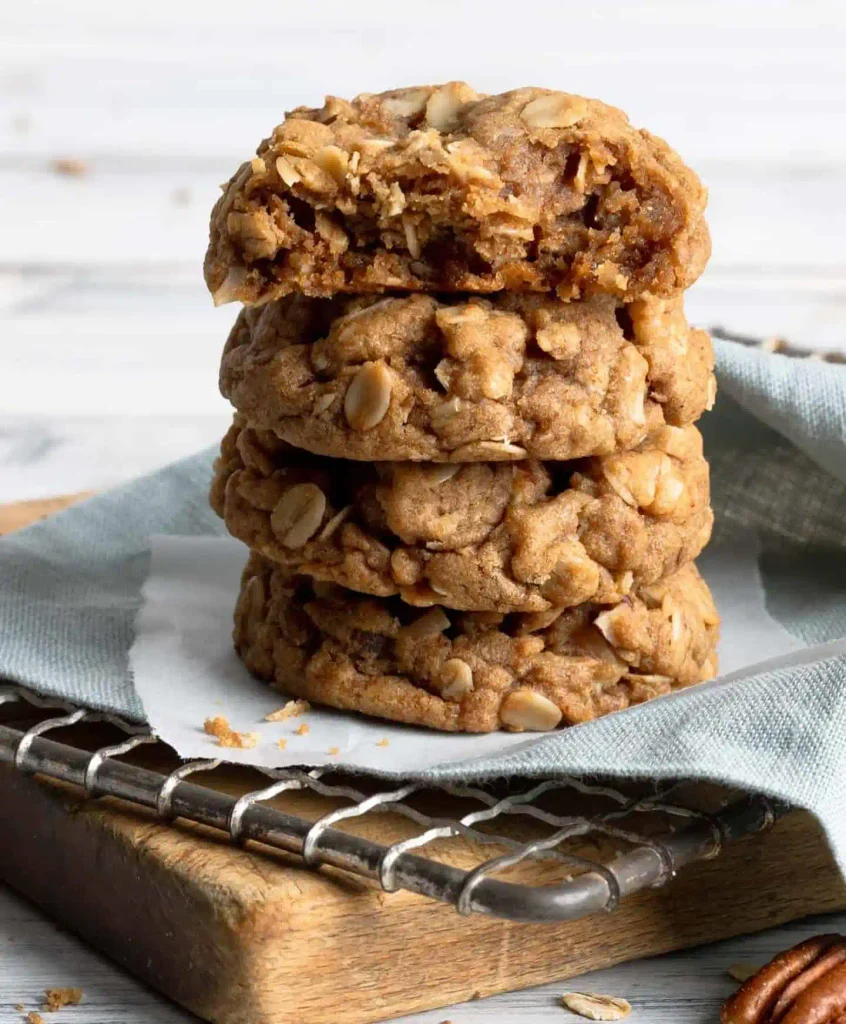
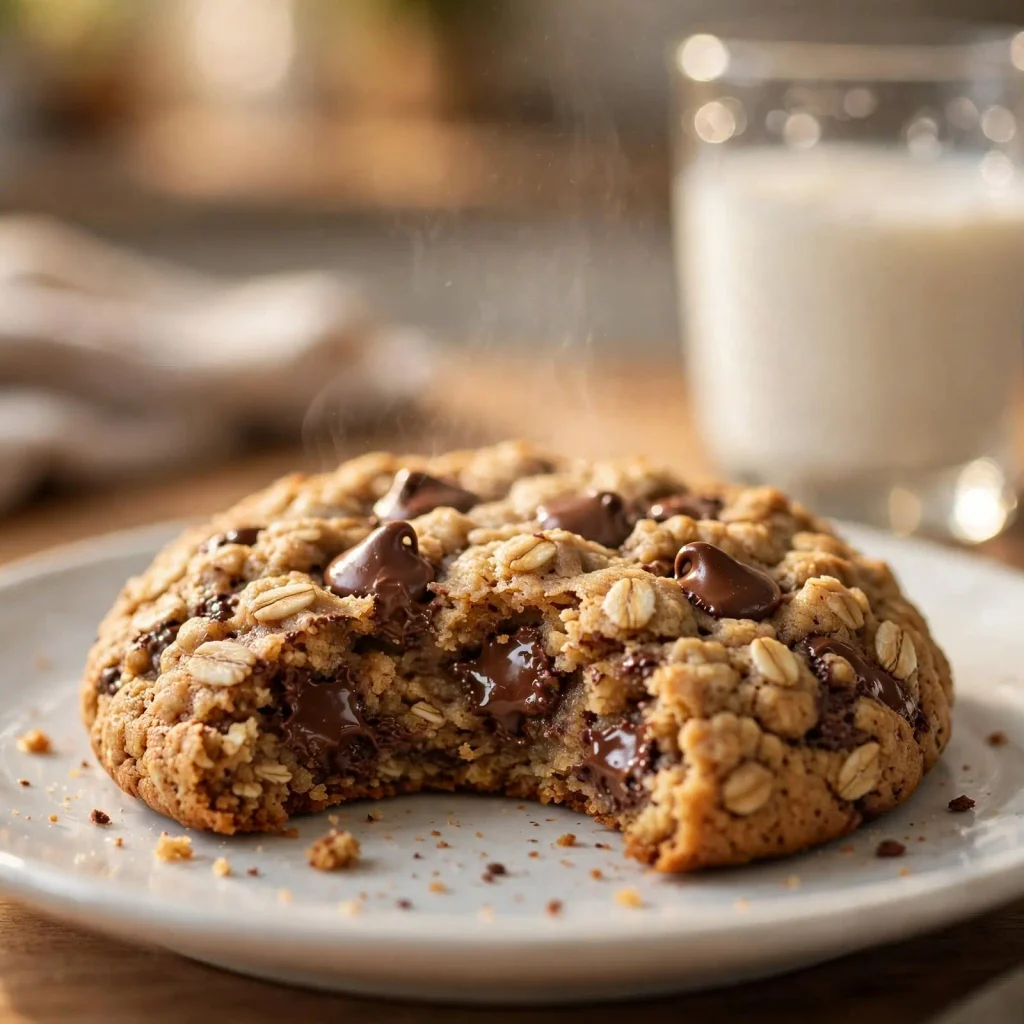
The edges crack just slightly while the centers stay soft enough to dent with a thumb. That’s the texture I chase every time I make a batch of oatmeal cookies, and this version gets there without any fuss or special equipment.
What sets this batch apart is the ratio of brown sugar to white sugar, which keeps the crumb moist for days instead of drying out by the second afternoon. You’ll have a warm tray of oatmeal cookies on the counter in well under an hour, and most of that time is hands off while the oven does the work.
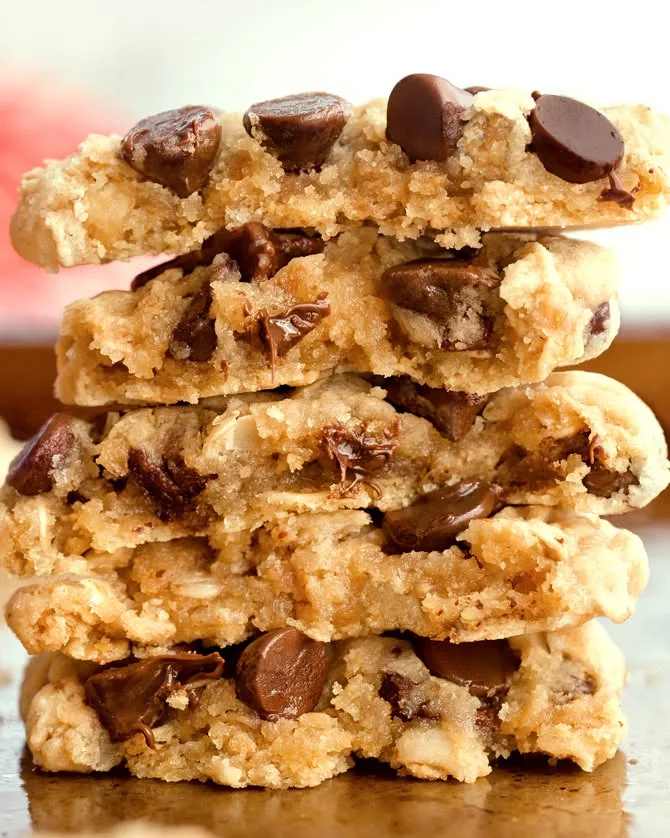
Why You’ll Love This Recipe
- One bowl, minimal cleanup. Everything comes together in a single mixing bowl, so there’s no juggling three dishes before you even preheat the oven.
- Chewy for days. The brown sugar heavy ratio pulls in moisture, so these stay soft through day three or four if stored properly.
- No mixer required. A wooden spoon and some elbow grease get the job done just as well as a stand mixer.
- Freezer friendly dough. Scoop extra dough balls onto a tray, freeze them solid, then bake straight from frozen whenever a craving hits.
- Naturally flexible. Raisins, chocolate chips, or chopped nuts can swap in or out without changing the base recipe at all.
Ingredient Selection Tips
Reach for old fashioned rolled oats here, not the quick cook kind. Quick oats break down too fine and leave the cookies dense and pasty rather than chewy with visible texture. For the butter, unsalted and truly softened (press a finger in and it should leave a mark without your finger sinking through) makes the biggest difference in how evenly the dough creams.
Recipe Snapshot
| Servings | Difficulty | Course | Cuisine | Prep Time | Cook Time | Rest Time | Total Time | Calories |
| 24 cookies | Easy | Dessert | American | 15 minutes | 12 minutes | 10 minutes | 37 minutes | 145 kcal |
Ingredients
For the dough:
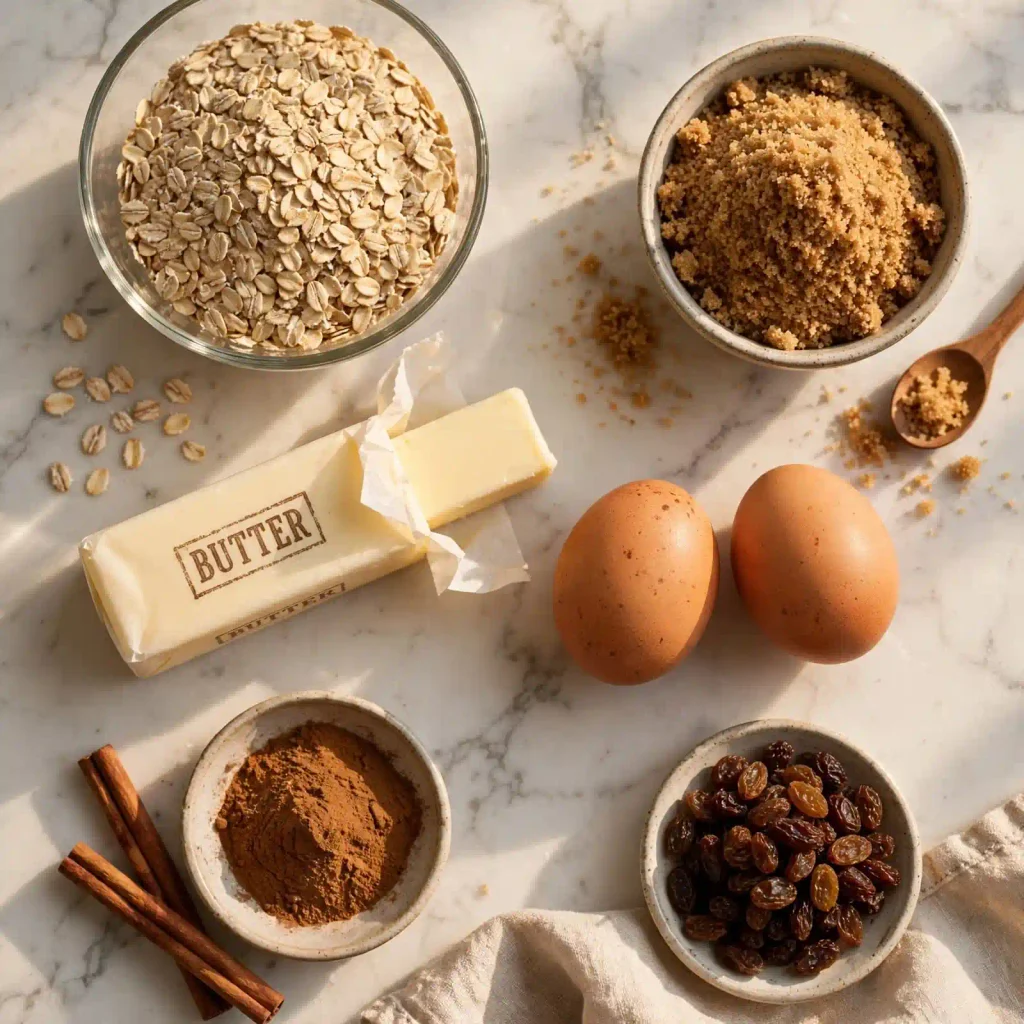
- 1 cup (226g) unsalted butter, softened
- 1 cup (200g) packed brown sugar — this is what keeps the cookies chewy rather than crisp, since it holds onto moisture far better than white sugar alone
- 1/2 cup (100g) granulated sugar
- 2 large eggs, room temperature
- 1 teaspoon vanilla extract
- 1 1/2 cups (190g) all purpose flour
- 1 teaspoon baking soda
- 1 teaspoon ground cinnamon
- 1/2 teaspoon fine salt
- 3 cups (270g) old fashioned rolled oats — the backbone of the texture, so don’t substitute instant oats even though they look similar in the pantry
- 1 cup (150g) raisins or chocolate chips (optional)
Substitution note: if raisins aren’t your thing, dried cranberries or chopped walnuts work in the same 1 cup measure without throwing off the dough’s moisture balance.
Recipe Timing
Fifteen minutes covers mixing the dough start to finish, assuming the butter is already soft. The ten minute rest lets the oats hydrate slightly and the dough firm up, which stops the cookies from spreading too thin in the oven. Each tray bakes in about 12 minutes, and a standard batch makes two trays.
Read Also: Peanut Butter Cookies
Allergen & Dietary Disclosure
This recipe contains gluten, dairy, and eggs. For a gluten free version, swap the all purpose flour for a 1:1 gluten free baking blend and confirm your oats are labeled gluten free, since oats are often processed in facilities that also handle wheat. For dairy free, a plant based butter stick works in equal measure. Anyone with a severe allergy should double check every label rather than relying on this substitution list alone.
Equipment Needed
- Cookie scoop (2 tablespoon size): keeps every cookie the same size so they finish baking at the same time.
- Rimmed baking sheet: a lighter colored sheet browns the bottoms more evenly than a dark nonstick one.
- Wire cooling rack: lets air move under the cookies so the bottoms don’t steam and go soft.
- Silicone baking mat or parchment: stops the sugar in the dough from sticking and scorching on bare metal.
Preparation
Set the butter out about an hour before baking so it softens naturally at room temperature. Line two baking sheets with parchment or a silicone mat, and pull out the oven rack to the middle position before you turn the oven on. Measure the oats and flour into separate bowls ahead of time so the mixing steps move quickly once the wet ingredients are ready.
Step by Step Instructions
Step 1: Cream the butter and sugars Beat the softened butter with the brown sugar and granulated sugar until the mixture turns pale and fluffy, roughly two minutes by hand or one minute with a mixer. The color shift from yellow to almost beige tells you enough air has worked into the fat.
Chef’s Note: undercreaming here is the single biggest reason cookies turn out dense. Give it the full two minutes even if your arm is tired.
Step 2: Add the eggs and vanilla Crack in the eggs one at a time, mixing fully after each addition, then stir in the vanilla. Wash your hands and any utensils that touched raw egg before moving to the next bowl.
Step 3: Combine the dry ingredients In a separate bowl, whisk the flour, baking soda, cinnamon, and salt until no streaks of baking soda remain visible.
Step 4: Bring the dough together Pour the dry mixture into the butter mixture and stir just until the flour disappears into the dough. Stopping as soon as the streaks vanish keeps the cookies tender instead of tough.
Chef’s Note: overworking the dough at this stage develops gluten in the flour, which is exactly what makes bread chewy but makes cookies rubbery in the wrong way.
Step 5: Fold in the oats and mix ins Add the rolled oats and raisins or chocolate chips, folding gently with a spatula until they’re evenly distributed through the dough.
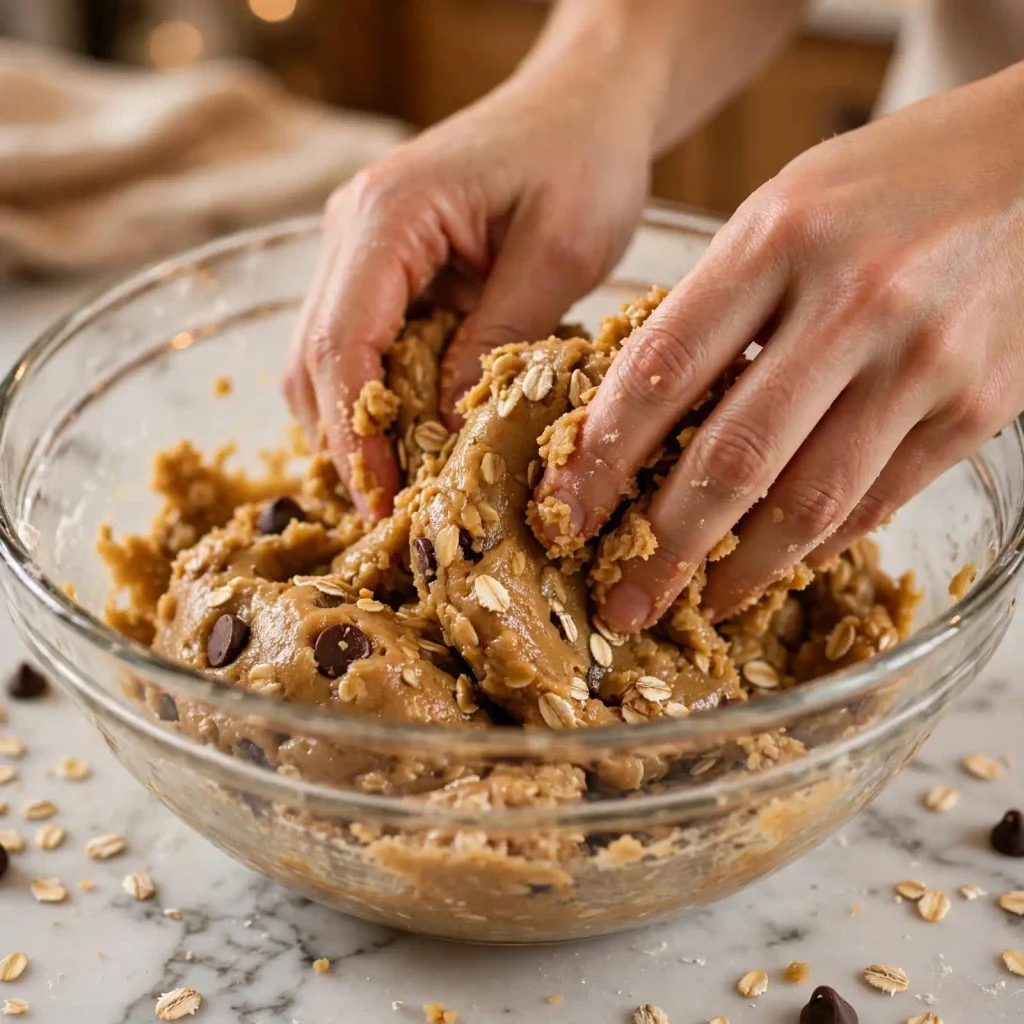
Step 6: Rest the dough Cover the bowl and let the dough sit at room temperature for 10 minutes. This short rest firms the butter slightly so the cookies hold their shape better in the oven.
Step 7: Scoop and bake Preheat the oven to 350°F (175°C). Scoop rounded 2 tablespoon portions of dough onto the prepared sheets, spacing them about 2 inches apart. Bake for 10 to 12 minutes, until the edges turn light golden but the centers still look slightly underdone and puffy.
Chef’s Note: pulling the tray when the centers still look a touch soft is what gives you that chewy bite once they finish setting on the pan. Waiting for the centers to look fully baked in the oven almost always means dry cookies.
Step 8: Cool on the pan, then transfer Let the cookies sit on the hot baking sheet for 5 minutes, since they’ll continue cooking slightly from residual heat and firm up enough to move without breaking. Transfer them to a wire rack to finish cooling completely.

Read Also: Chocolate Chip Cookies
Expert Tips & Tricks
- Weigh your flour if you can. Scooping straight from the bag tends to pack in extra flour and leads to drier, cakier cookies.
- My early mistake: the first few times I made these, I skipped the rest step to save time, and the dough spread into thin, greasy puddles. Ten minutes makes a real difference.
- Make ahead dough: the raw dough keeps in the fridge for up to 3 days, covered tightly, so you can bake a few cookies at a time instead of the whole batch.
- Room temperature eggs blend faster. Cold eggs straight from the fridge can cause the butter to seize slightly, leaving small lumps in the dough.
- For extra chew, swap 2 tablespoons of the granulated sugar for an equal amount of brown sugar, pushing the ratio even further toward moisture retention.
- Freeze the scooped dough on a tray until solid, then transfer the balls to a freezer bag. Bake straight from frozen, adding about 2 extra minutes to the bake time.
Common Mistakes & Troubleshooting
| Problem | Why It Happens | How to Fix or Prevent It |
| Cookies spread too thin | Butter was too warm or melted, or the dough skipped its rest | Chill the dough for the full 10 minutes, and confirm the butter was soft, not melted |
| Dense, tough texture | Dry and wet ingredients were overmixed after combining | Stir only until the flour streaks disappear, then stop |
| Cookies taste bland | Salt was left out or measured too lightly | Use a full 1/2 teaspoon and taste the raw dough before baking a whole tray |
| Bottoms burn before centers set | Dark, nonstick baking sheets absorb more heat | Switch to a light colored sheet or add a second sheet underneath to insulate |
| Cookies crumble apart | Pulled off the sheet before the 5 minute cool down | Let them firm up on the hot pan before moving them to a rack |
Storage, Reheating, Freezing, Make Ahead
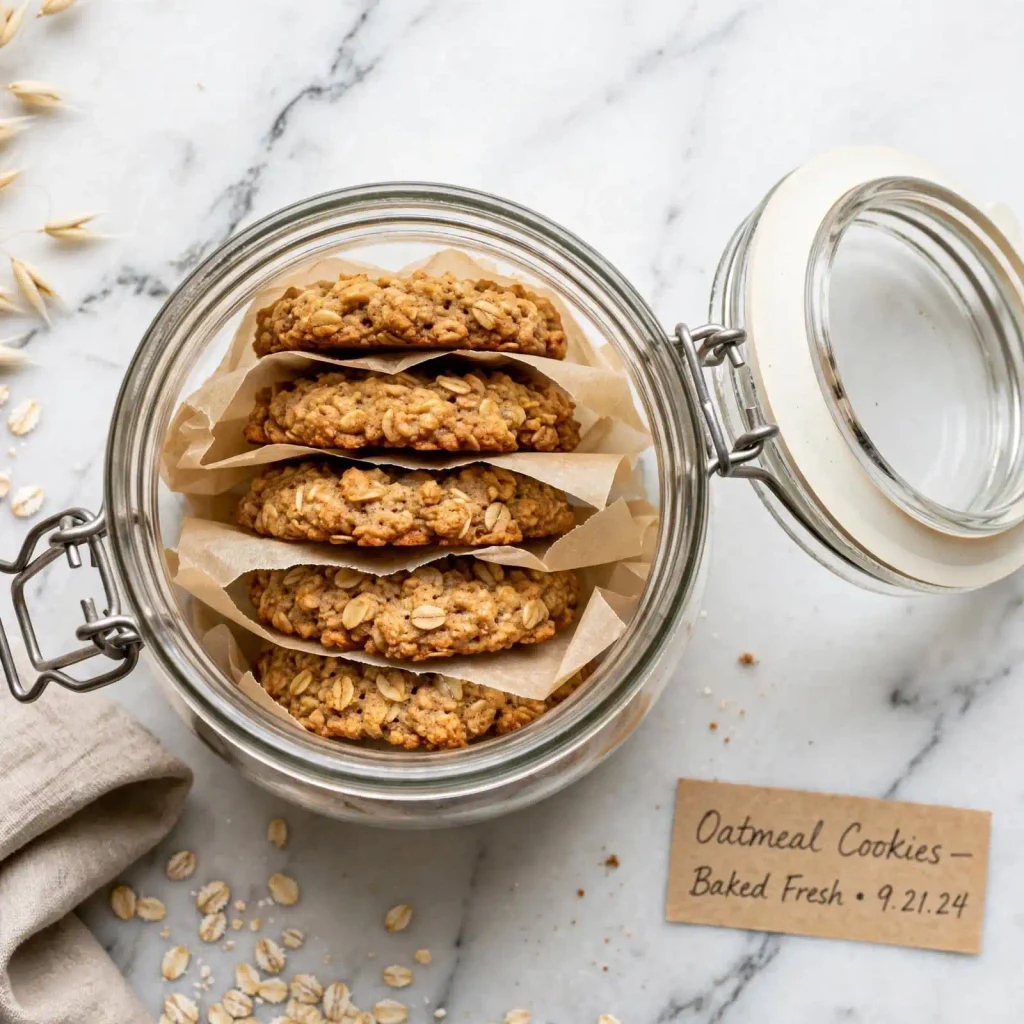
Room temperature: store baked cookies in an airtight container for up to 5 days. Adding a slice of bread to the container helps keep them soft, since the cookies pull moisture from it instead of drying out.
Freezer (baked cookies): stack cooled cookies with parchment between layers in a freezer safe container for up to 3 months.
Freezer (raw dough): freeze scooped dough balls on a tray until solid, then move them to a labeled freezer bag for up to 3 months.
Reheating: warm cookies in a 300°F oven for 4 to 5 minutes to bring back that fresh baked softness, rather than using a microwave which can turn the edges tough.
Make ahead: the mixed dough holds in the fridge, covered, for up to 3 days before baking.
Variations & Substitutions
- Spiced raisin version: add 1/4 teaspoon ground nutmeg alongside the cinnamon for a warmer, more spiced flavor.
- Double chocolate chip: skip the raisins and use 1 cup chocolate chips plus 2 tablespoons cocoa powder folded into the dry ingredients.
- Kid friendly plain: leave out the raisins and chocolate chips entirely for a simple, mild oat cookie.
- Gluten free: use a 1:1 gluten free flour blend and certified gluten free oats.
- Nut free: this base recipe is already nut free, so it works as written for classroom or school treat situations.
- Extra hearty: stir in 1/2 cup chopped dried apricots along with the oats for a chewier, fruitier bite.
Serving Suggestions
- A cold glass of milk is the obvious pairing, but it works because the fat in whole milk cuts through the sweetness of the brown sugar.
- Sandwich a scoop of vanilla ice cream between two cookies for a quick ice cream sandwich.
- Crumble a cooled cookie over plain yogurt with a drizzle of honey for a fast breakfast twist.
- Serve alongside a cup of coffee or chai for an afternoon snack break.
- Add them to a holiday cookie plate next to [INTERNAL LINK: a classic sugar cookie recipe] for variety in texture.
- Pack two or three in a lunchbox next to [INTERNAL LINK: a homemade granola bar recipe] for a portable snack.
Nutrition Information
| Nutrient | Amount |
| Calories | 145 kcal |
| Protein | 2g |
| Carbohydrates | 21g |
| Fiber | 1g |
| Sugar | 12g |
| Fat | 6g |
| Saturated Fat | 3.5g |
| Cholesterol | 20mg |
| Sodium | 95mg |
Serving size: 1 cookie. Servings per recipe: 24. These cookies also carry a modest amount of iron and manganese from the oats. Nutrition values are estimates only and will shift depending on the specific brands and measuring methods you use.
Why This Recipe Works
Brown sugar contains molasses, which is hygroscopic, meaning it actively draws in and holds onto moisture. Leaning the sugar ratio toward brown sugar rather than splitting it evenly with white sugar is what keeps this dough from drying out in the oven, even after the full bake time.
Pulling the cookies while the centers still look slightly underdone matters because the residual heat in the baking sheet keeps cooking them for a few minutes after they leave the oven. If you wait until the centers look fully set inside the oven, that carryover cooking pushes them past the chewy stage into dry territory.
The short rest before baking gives the fat in the dough time to firm up slightly, which slows down how quickly the cookies spread once they hit the oven’s heat. Skipping that step is the most common reason a batch comes out thin and greasy instead of thick and chewy.
Read Also: Protein Balls
Frequently Asked Questions
FAQ Source Note: the questions below reflect typical search and recipe question patterns commonly seen around oatmeal cookies, based on general familiarity with common reader questions rather than a specific live search session.
Can I use quick oats instead of old fashioned oats?
You can, but the texture changes noticeably. Quick oats are cut smaller and absorb liquid faster, which makes the cookies denser and less chewy. If quick oats are all you have, the cookies will still taste fine, just flatter and softer throughout rather than having that distinct oat bite.
Can I make the dough ahead of time?
Yes, the dough keeps well covered in the fridge for up to 3 days. You can also freeze scooped dough balls for up to 3 months and bake them straight from frozen, adding about 2 extra minutes to the bake time listed in the recipe.
Why did my oatmeal cookies turn out flat?
Flat cookies usually mean the butter was too warm, melted, or the dough skipped its rest period before baking. Chilling or resting the dough for the full 10 minutes firms the fat back up and helps the cookies hold their shape in the oven’s heat.
What can I use instead of eggs in this recipe?
A flax egg, made from 1 tablespoon ground flaxseed mixed with 3 tablespoons water and left to sit for 5 minutes, works as a substitute for one egg. The texture turns out slightly denser but still holds together well.
How do I get crispier cookies instead of chewy ones?
Flatten the dough balls slightly before baking and extend the bake time by 2 to 3 minutes, watching closely so the edges don’t burn. Using a bit more granulated sugar relative to brown sugar in the mix also pushes the texture toward crisp rather than soft.
Is this recipe safe for someone with a gluten allergy?
It can be made gluten free by using a 1:1 gluten free flour blend and oats specifically labeled gluten free, since standard oats are often processed alongside wheat. Even with these swaps, always check every ingredient label directly if the allergy is severe, rather than relying on general substitution advice.
Conclusion
These oatmeal cookies have become the batch I turn to whenever I want something that tastes homemade without needing a long ingredient list or fussy technique. Pulling the tray at just the right moment, when the centers still look slightly soft, is really the only trick that matters here.
Once you’ve made a batch of oatmeal cookies this way, the texture is hard to go back from. Keep a bag of dough balls in the freezer and you’ll always be about 12 minutes away from a warm batch.
If you loved this recipe, save it to your Cookie Recipes Pinterest board so you can find it easily later!
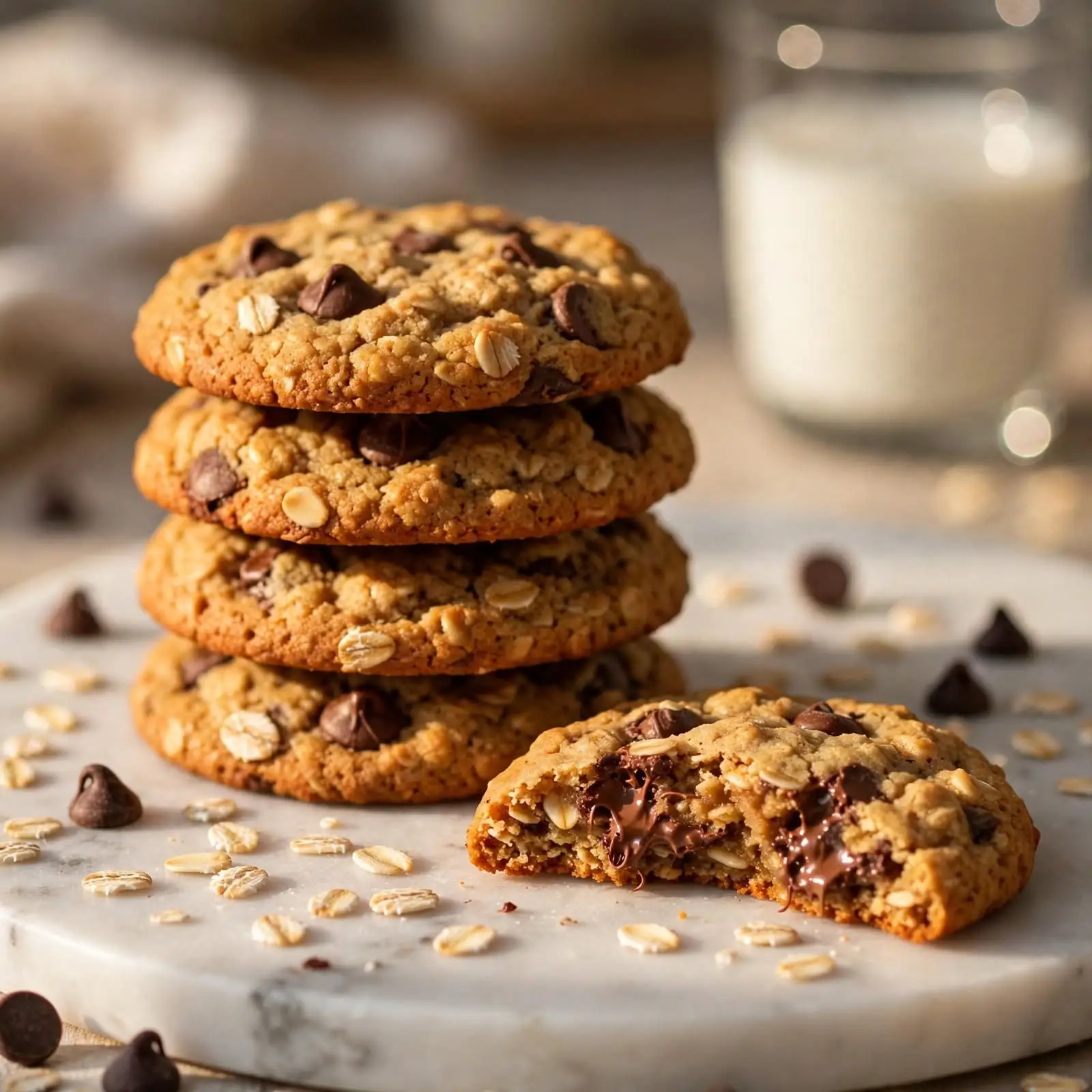
Chewy Oatmeal Cookies
Ingredients
Method
- Instructions:
- Beat the softened butter with both sugars until pale and fluffy, about 2 minutes.
- Mix in the eggs one at a time, then stir in the vanilla.
- Whisk together the flour, baking soda, cinnamon, and salt in a separate bowl.
- Stir the dry mixture into the butter mixture just until combined.
- Fold in the oats and your choice of raisins or chocolate chips.
- Cover and let the dough rest at room temperature for 10 minutes.
- Preheat the oven to 350°F (175°C). Scoop 2 tablespoon portions of dough onto lined baking sheets, spaced 2 inches apart.
- Bake for 10 to 12 minutes, until the edges are light golden and the centers look slightly underdone.
- Rest the cookies on the pan for 5 minutes before moving them to a wire rack to cool fully.
Notes
- Store baked cookies airtight at room temperature for up to 5 days.
- Freeze raw dough balls for up to 3 months and bake straight from frozen, adding about 2 minutes to the bake time.
- Swap raisins for chocolate chips, dried cranberries, or chopped nuts in the same amount.
- Underbaking slightly is what keeps these chewy once they cool.
- Calories: 145 kcal
- Protein: 2g
- Carbohydrates: 21g
- Fiber: 1g
- Sugar: 12g
- Fat: 6g
- Saturated Fat: 3.5g
- Cholesterol: 20mg
- Sodium: 95mg
- Nutrition values are estimates only and may vary based on brands and measuring methods used.
- Timing Consistency Check: Prep 15 minutes, Cook 12 minutes, Rest 10 minutes, Total 37 minutes. Matches the Recipe Snapshot table above exactly.