Pumpkin Bread Recipe: 7 Easy Steps to a Foolproof Moist Loaf

Around the 40 minute mark, the smell takes over. Something warm and sweet drifts out of the oven, the kitchen window fogs a little, and everyone in the house suddenly finds a reason to wander in. That is the moment this loaf earns its spot on your fall baking list.
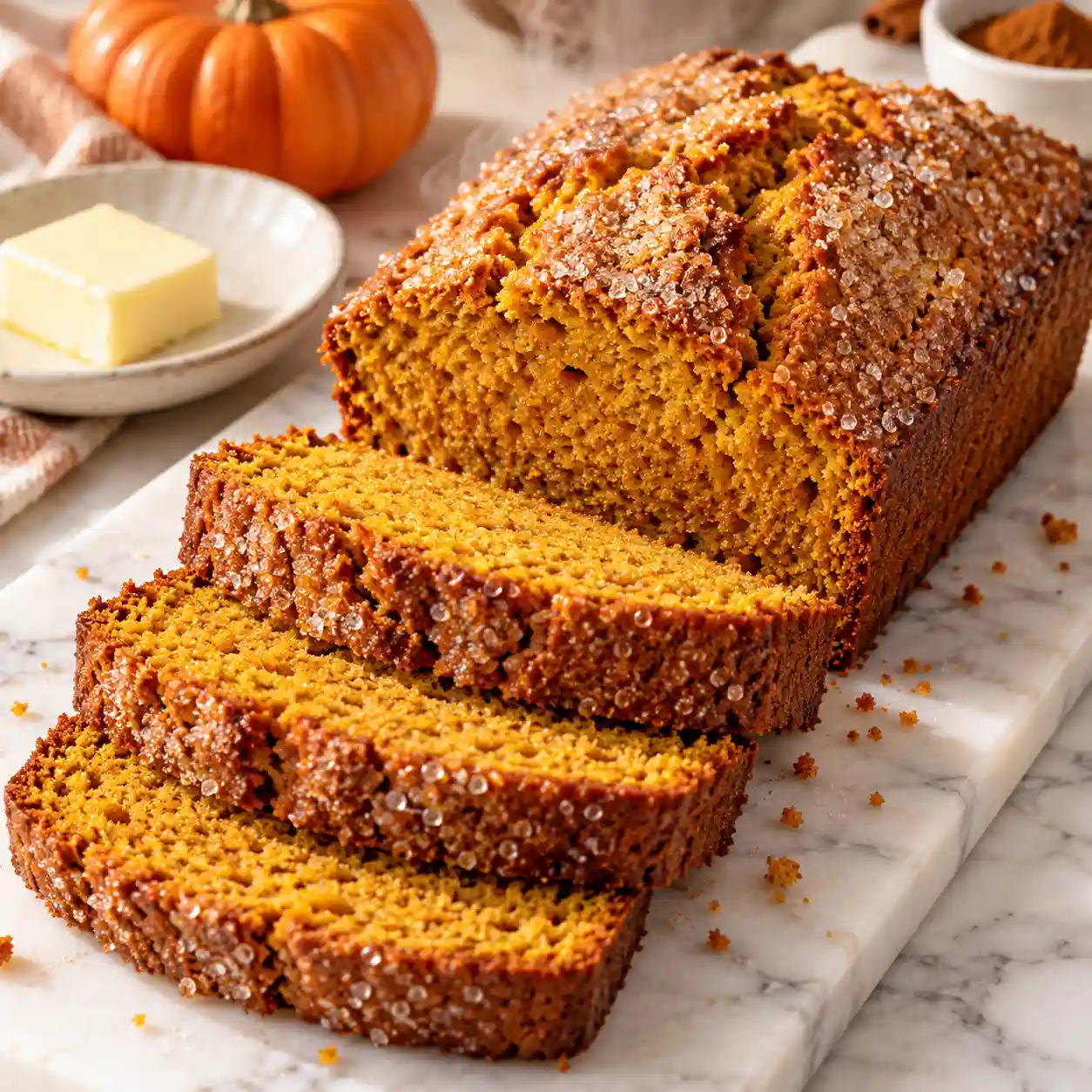
This pumpkin bread comes together in one bowl and takes about 1 hour 35 minutes from first stir to first slice, cooling included. It bakes into a soft, tender crumb with a lightly crisp, sugar crackled top and enough spice to taste like autumn without drowning out the pumpkin. Oil instead of butter keeps the loaf soft for days, and a mix of white and brown sugar adds a deeper caramel edge. The method is simple, and a gentle hand with the spatula does most of the work, so even a first time baker can get a bakery style loaf.
Why You’ll Love This Pumpkin Bread
- One bowl cleanup: You mix the wet ingredients in one bowl and fold in the dry mix, so there is no mixer to wash.
- Pantry friendly: Everything except the pumpkin puree is probably in your cupboard already, and canned puree keeps for months.
- Stays moist for days: Oil locks in moisture better than butter, so day three slices still feel soft instead of dry.
- Balanced spice: Cinnamon leads, while nutmeg, ginger, and a pinch of cloves add depth without tasting like a candle.
- Freezer ready: The loaf slices cleanly and freezes well, so you can pull out a single slice on a busy morning.
Ingredient Selection Tips
Buy plain canned pumpkin puree, and check that the label lists only pumpkin. Pumpkin pie filling looks similar on the shelf, but it already contains sugar and spices, which throws off this recipe. Pick fresh baking soda and baking powder, since old leaveners are the quiet reason many loaves come out flat. Ground spices lose punch after about a year, so if your cinnamon smells faint, replace it. Finally, take the eggs and milk out of the fridge about 30 minutes ahead so they blend smoothly into the batter.
Recipe Snapshot
| Detail | Info |
| Servings | 12 slices |
| Difficulty | Easy |
| Course | Breakfast, Snack, Dessert |
| Cuisine | American |
| Prep Time | 15 minutes |
| Cook Time | 1 hour (60 minutes) |
| Rest Time | 20 minutes |
| Total Time | 1 hour 35 minutes (95 minutes) |
| Calories | 245 per slice |
Ingredients
For the dry mix:
- 1 3/4 cups (220 g) all purpose flour. This gives the loaf enough structure to slice cleanly without turning tough.
- 1 teaspoon baking soda. It reacts with the brown sugar and pumpkin to lift the loaf.
- 1/2 teaspoon baking powder. A second leavener gives a steadier, more even rise.
- 1 teaspoon fine salt. Salt sharpens the sweetness so it tastes rounded, not flat.
- 2 teaspoons ground cinnamon
- 1/2 teaspoon ground nutmeg
- 1/2 teaspoon ground ginger
- 1/4 teaspoon ground cloves. A small amount adds a warm back note, and more than this can taste medicinal.
For the wet mix:
- 1 cup (245 g) pure pumpkin puree. It supplies moisture, color, and a mellow earthy sweetness.
- 3/4 cup (150 g) granulated sugar
- 1/2 cup (100 g) packed light brown sugar. The molasses in it adds moisture and a caramel edge.
- 1/2 cup (120 ml) neutral oil, such as canola or sunflower. Oil keeps the crumb soft even after the loaf cools.
- 2 large eggs, at room temperature
- 1/4 cup (60 ml) whole milk
- 1 teaspoon vanilla extract
For the top:
- 2 tablespoons chopped walnuts (optional)
- 1 tablespoon coarse sugar. It bakes into a thin, crunchy crust.
Substitution notes: Buttermilk works in place of the milk and adds a slight tang. You can also swap the light brown sugar for dark brown if you want a deeper molasses flavor. If you skip the walnuts, add a little extra coarse sugar to the top.
Recipe Timing
You will spend about 15 minutes on hands on work: measuring, mixing, and filling the pan. The loaf then bakes for 60 minutes, though it may be ready a few minutes earlier or later depending on your oven. After baking, it needs 20 minutes of rest, 10 in the pan and 10 on a wire rack, so the crumb can set and slice cleanly. Altogether, that is 1 hour 35 minutes from start to the first slice.
[AI IMAGE PROMPT: Fresh raw pumpkin bread ingredients arranged on a white marble surface: a white ceramic bowl of glossy orange pumpkin puree, flour in a glass jar, brown sugar, cinnamon sticks, brown eggs, and small spice dishes, soft natural daylight, top down flat lay, crisp textures.] [IMAGE PLACEHOLDER | alt text: “Flat lay of pumpkin bread ingredients including pumpkin puree, flour, eggs, brown sugar, and spices on white marble” | filename: “pumpkin-bread-ingredients-flat-lay.jpg” | orientation: horizontal]
Allergen & Dietary Disclosure
This pumpkin bread contains wheat (gluten), eggs, and milk, plus tree nuts if you add the walnuts.
- Gluten: Use a 1 to 1 gluten free baking blend in place of the flour. The loaf may bake a little denser.
- Eggs: Replace each egg with 3 tablespoons unsweetened applesauce or a flax egg (1 tablespoon ground flaxseed mixed with 3 tablespoons water).
- Milk: Any unsweetened plant milk, such as oat or soy, works in equal amounts.
- Tree nuts: Leave out the walnuts or top the loaf with pumpkin seeds.
If you are baking for someone with a severe allergy, check every ingredient label yourself, since substitutions and brands vary.
Equipment Needed
- 9 by 5 inch light colored metal loaf pan: Dark pans brown the crust too fast, so lower the oven temperature by 25°F if yours is dark.
- Digital kitchen scale: Weighing the flour is the easiest way to prevent a dry, dense loaf.
- Rubber spatula: It scrapes the bowl bottom, where unmixed flour likes to hide.
- Instant read thermometer: A reading of 205 to 210°F in the center confirms the loaf is done.
- Wire cooling rack: Air circulating under the loaf stops the bottom from steaming and turning soggy.
Preparation
Slide an oven rack to the center position and heat the oven to 350°F (175°C). Grease the loaf pan well, then press in a strip of parchment so it overhangs both long sides. The overhang works as a pair of handles for lifting the loaf out later. Measure every ingredient before you start mixing, because the batter comes together fast and the mixing time matters.
Callout Box: Measure flour the right way. Fluff the flour with a fork, spoon it into the measuring cup, and level it with a knife. Scooping straight from the bag packs in up to 30 percent extra flour, which is the number one cause of a dry loaf.
Step-by-Step Instructions
Step 1: Mix the dry base
Add the flour, baking soda, baking powder, salt, and all four spices to a medium bowl and whisk for 30 seconds. The mixture should look evenly tan with no pale or dark streaks.
Chef’s Note: Whisking spreads the baking soda evenly, which prevents bitter pockets and a lopsided rise.
Step 2: Blend the wet ingredients
In a large bowl, whisk together the pumpkin puree, both sugars, oil, eggs, milk, and vanilla for about 1 minute. The mixture should look smooth and glossy, with no visible sugar lumps. Raw eggs are involved here, so wash your hands and the whisk afterward and skip tasting the batter.
Step 3: Fold the batter together
Tip the dry mixture over the wet one and fold with a rubber spatula, scraping the bottom as you go. Stop the moment the last big flour streaks disappear, usually after 15 to 20 strokes. The batter should look thick and scoopable, and a few small lumps are fine.
Chef’s Note: Every extra stroke builds gluten, and too much gluten turns a tender loaf chewy and tunneled.
[AI IMAGE PROMPT: Thick orange pumpkin bread batter being folded with a silicone spatula in a deep white ceramic mixing bowl, a few flour streaks still visible, glossy ribbon of batter, warm kitchen light, white marble counter, cinnamon dusting nearby, 45 degree food photography angle.] [IMAGE PLACEHOLDER | alt text: “Folding thick pumpkin bread batter with a spatula in a white bowl on marble” | filename: “pumpkin-bread-folding-batter.jpg” | orientation: horizontal]
Step 4: Fill the pan
Scrape the batter into the prepared pan, smooth the surface, and tap the pan once on the counter to release trapped air. The batter should sit about two thirds of the way up the sides. Scatter the walnuts and coarse sugar over the top in an even layer.
Step 5: Bake the loaf
Slide the pan onto the center rack and bake for 55 to 65 minutes. Around the 40 minute mark the top will dome and begin to crack along the center while the edges deepen to amber. If the top darkens too quickly, tent it loosely with foil for the last 15 minutes.
Chef’s Note: The center crack is normal. It shows the crust set first while the inside kept rising.
[AI IMAGE PROMPT: Light aluminum loaf pan filled with smooth glossy orange pumpkin bread batter, topped with coarse sugar crystals and chopped walnuts, resting on a white marble counter beside a white ceramic dish of sugar, warm kitchen light, top down view, ready for the oven.] [IMAGE PLACEHOLDER | alt text: “Pumpkin bread batter topped with coarse sugar and walnuts in a loaf pan before baking” | filename: “pumpkin-bread-batter-in-loaf-pan.jpg” | orientation: horizontal]
Step 6: Check for doneness
Push a toothpick into the center of the loaf. It should come out with a few moist crumbs, not wet batter, and an instant read thermometer should show 205 to 210°F. If you see raw batter, return the loaf to the oven for 5 minute rounds and test again.
Chef’s Note: Temperature beats the clock because every oven runs a little differently.
Step 7: Cool before slicing
Leave the loaf in the pan for 10 minutes, then lift it out by the parchment handles and move it to a wire rack. Give it another 10 minutes before you cut, so the crumb finishes setting. The sides should feel warm but not hot, and a serrated knife should glide through without smearing.
[AI IMAGE PROMPT: Stainless steel cake tester inserted into the center of the baked pumpkin loaf in a light aluminum loaf pan, moist crumbs clinging, cracked amber domed top, steam rising, white marble counter, warm kitchen light, low side angle close up showing tender texture.] [IMAGE PLACEHOLDER | alt text: “Cake tester in baked pumpkin bread showing moist crumbs and a cracked domed top” | filename: “pumpkin-bread-doneness-test.jpg” | orientation: horizontal]
Expert Tips & Tricks
- Weigh your flour. Aim for 220 grams. A cup scooped straight from the bag can weigh up to 30 grams more, which is enough to dry the loaf out.
- Do not slice it warm. The classic baker’s mistake is cutting into the loaf straight from the oven. The crumb is still setting at that point, so the slices tear and the center turns gummy.
- Make ahead. Bake the loaf a day early. The spices settle overnight, and the flavor tastes rounder the next morning.
- Storage tip. Wrap the loaf only after it has cooled completely. Trapped steam makes the crust sticky.
- Use room temperature eggs. Cold eggs can make the oil clump, which leads to an uneven crumb.
- Time saver. Mix the dry ingredients and spices in a jar up to a week ahead, then you only need to whisk the wet ones on baking day.
Common Mistakes & Troubleshooting
| Problem | Why It Happens | How to Fix or Prevent It |
| Dense, heavy loaf | Too much flour or overmixing | Weigh the flour and stop folding when the streaks vanish |
| Gummy center | Underbaking or slicing too soon | Bake to 205 to 210°F and rest 20 minutes |
| Sunken middle | Opening the oven early or old leavener | Keep the door shut for the first 40 minutes and use fresh baking soda |
| Dark, hard crust | Dark pan or high oven | Use a light pan or tent with foil for the last 15 minutes |
| Bland flavor | Stale spices or too little salt | Replace spices yearly and measure the salt exactly |
Storage, Reheating, Freezing, Make-Ahead
Counter: Keep the loaf in an airtight container for up to 2 days.
Refrigerator: Wrap it well and store it for 5 to 7 days. Place a paper towel under the lid to soak up condensation.
Freezer: Slice the loaf, wrap the slices in two layers of plastic wrap, and place them in a freezer bag. They keep well for up to 3 months. Label the bag with the date.
Reheating: Warm a slice in the microwave for 15 to 20 seconds, or heat it in a 300°F oven for 10 minutes for a crisper edge.
Make ahead: Bake the loaf up to 2 days ahead and store it wrapped on the counter.
Callout Box: Slice before freezing. Freezing the loaf in single slices lets you thaw only what you need, and a sheet of parchment between slices keeps them from sticking together.
[AI IMAGE PROMPT: Sliced pumpkin bread neatly stacked in a clear glass airtight container beside a labeled freezer bag of wrapped slices, on a white marble surface, soft natural daylight, top down flat lay, tidy organized layout, moist orange crumb visible, fresh and soft.] [IMAGE PLACEHOLDER | alt text: “Pumpkin bread slices stored in a glass container and labeled freezer bag” | filename: “pumpkin-bread-storage-freezer.jpg” | orientation: horizontal]
Variations & Substitutions
- Chocolate chip: Fold in 3/4 cup semisweet chocolate chips with the dry mix for a sweeter loaf.
- Cream cheese swirl: Dollop 4 ounces of sweetened cream cheese on the batter and drag a knife through it once.
- Streusel topping: Rub 3 tablespoons flour, 3 tablespoons brown sugar, and 2 tablespoons cold butter into crumbs and scatter them over the batter before baking.
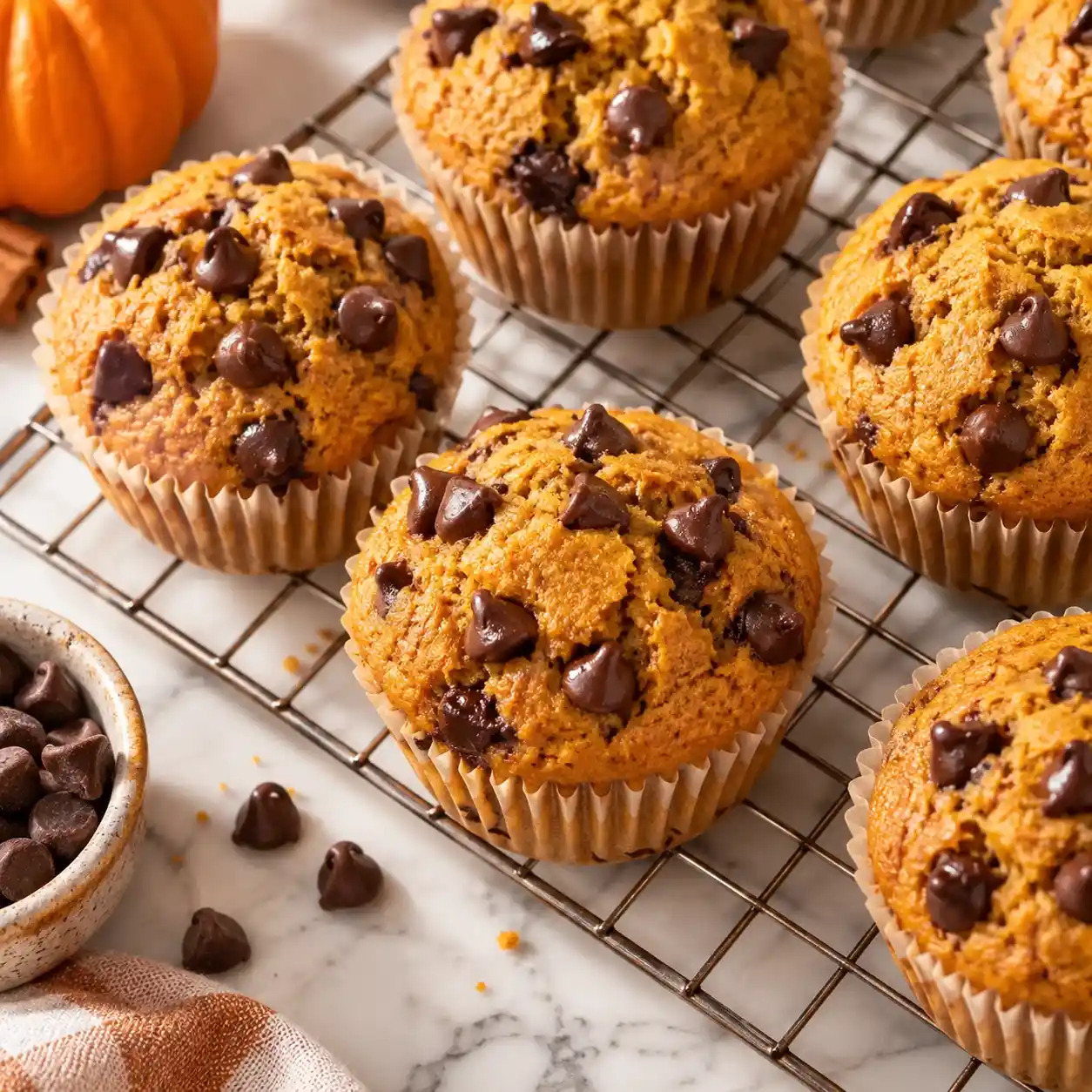
- Mini muffins: Bake the batter in a lined 12 cup muffin tin for 18 to 22 minutes. [INTERNAL LINK: pumpkin muffins recipe]
- Nut free: Skip the walnuts and top with pumpkin seeds for crunch.
Serving Suggestions
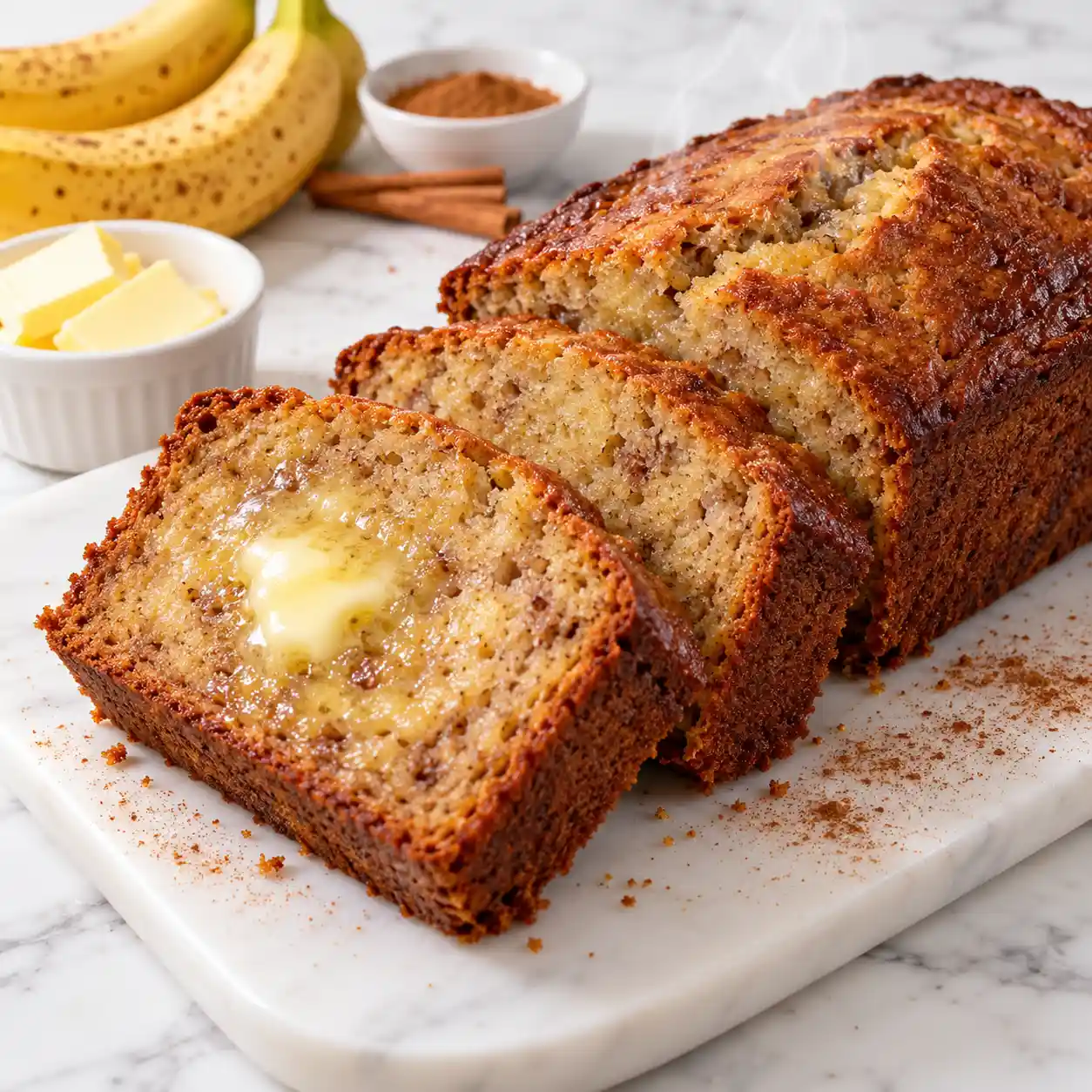
- Spread a warm slice with salted butter or whipped honey butter. [INTERNAL LINK: whipped honey butter recipe]
- Toast a slice and drizzle it with maple syrup for a quick breakfast.
- Serve with a mug of chai or spiced tea. [INTERNAL LINK: homemade chai recipe]
- Top with Greek yogurt and a spoonful of honey for a snack.
- Add a few slices to a brunch board with sliced apples and pears.
- Serve with warm apple cider on a cool evening.
Nutrition Information
Serving size: 1 slice (1/12 of the loaf) | Servings per recipe: 12
| Nutrient | Amount |
| Calories | 245 |
| Protein | 3 g |
| Carbohydrates | 36 g |
| Fiber | 1 g |
| Sugar | 21 g |
| Fat | 10 g |
| Saturated Fat | 1 g |
| Cholesterol | 31 mg |
| Sodium | 330 mg |
Pumpkin supplies beta carotene, which the body converts into vitamin A, and the eggs add a small amount of iron. Nutrition values are estimates and can shift depending on the brands you buy and how you measure.
Why This Pumpkin Bread Works
The recipe leans on a few simple pieces of food science. Baking soda needs an acid to react, and the brown sugar and pumpkin supply just enough, so the loaf rises evenly without a soapy aftertaste. Baking powder backs it up with a second, steadier lift.
Oil is the reason this loaf stays soft. Butter is about 80 percent fat and the rest is water and milk solids, while oil is pure fat, so it coats the flour and holds moisture longer. The pumpkin adds both water and fiber, which keeps the crumb tender without making it heavy.
Gentle mixing finishes the job. Stirring flour with liquid develops gluten, and a few strokes too many turn a tender quick bread into a chewy one. Stopping when the streaks vanish keeps the crumb soft.
Frequently Asked Questions
FAQ source note: These questions reflect typical question patterns seen on recipe search results and cooking forums. Live search was not used.
Can I freeze pumpkin bread?
Yes. Cool the loaf fully, slice it, and wrap each slice or the whole loaf in two layers of plastic wrap, then place it in a freezer bag. Pumpkin bread keeps its texture for up to 3 months this way. Label the bag with the date. Thaw wrapped slices on the counter for about 1 hour, or warm a frozen slice in the microwave for 20 to 30 seconds.
Why is my pumpkin bread gummy in the middle?
Gummy pumpkin bread usually points to one of three things: underbaking, overmixing, or too much pumpkin. Bake until a toothpick shows only a few moist crumbs and the center reads 205 to 210°F. Fold the batter just until the flour streaks disappear, and measure the puree by weight or with a level cup. Slicing the loaf while it is still hot can also make it seem gummy.
Can I use pumpkin pie filling instead of puree?
Not as a direct swap. Pumpkin pie filling already contains sugar and spices, so the loaf turns out too sweet and the flavor gets muddy. Stick with 100% pure pumpkin puree for the most reliable results in this pumpkin bread recipe. If pie filling is all you have, leave out the granulated sugar, skip the added spices, and expect a slightly denser crumb.
How do I know when pumpkin bread is done?
Start checking your pumpkin bread at 55 minutes. The top should be domed with a dry, lightly cracked center, and the edges should pull slightly away from the pan. A toothpick pushed into the center should come out with a few moist crumbs, not wet batter. An instant read thermometer should show 205 to 210°F. Loaves vary, so rely on these cues more than the clock.
Can I make pumpkin bread without eggs?
Yes. Swap each egg for 3 tablespoons of unsweetened applesauce, or use a flax egg made from 1 tablespoon ground flaxseed mixed with 3 tablespoons water and rested for 5 minutes. The crumb turns out a little denser and the top browns slightly less. Bake time may run 5 minutes longer, so rely on the toothpick test. Check every label if you are baking for someone with a food allergy.
Can I use fresh pumpkin instead of canned?
Yes, but cook and drain it first. Halve a sugar pumpkin, roast it at 400°F for about 45 minutes until a fork slides in easily, scoop out the flesh, and blend until smooth. Press the puree in a fine mesh strainer for 10 minutes, since homemade puree holds more water than canned. Use 1 cup of the drained puree in this pumpkin bread.
[AI IMAGE PROMPT: Thick slice of pumpkin bread on a white ceramic dessert plate with melting butter and a drizzle of maple syrup, remaining loaf on a white marble board behind, glossy toppings, tender orange crumb, soft natural daylight, 45 degree food photography angle.] [IMAGE PLACEHOLDER | alt text: “Slice of pumpkin bread with melting butter and maple syrup on a white plate” | filename: “pumpkin-bread-final-plated-shot.jpg” | orientation: vertical, 2:3 ratio (1000x1500px)]
Conclusion
The best thing about this pumpkin bread is how forgiving it is. A short list of pantry staples, one bowl, and a light hand with the spatula are all it takes to fill the kitchen with that first real smell of fall.
Bake it once and you will start to recognize the cues: the crackled dome, the amber edges, the faint crumbs on the toothpick. Those small signals matter more than any timer, and they make the loaf easy to repeat all season.
If you loved this recipe, save it to your Fall Baking Pinterest board so you can find it easily later!
Moist Pumpkin Bread
Ingredients
Method
- Instructions:
- Move a rack to the middle of the oven and heat it to 350°F (175°C). Grease a 9 by 5 inch loaf pan and press in a parchment strip that hangs over the long sides.
- Whisk the flour, baking soda, baking powder, salt, and spices in a medium bowl for 30 seconds, until evenly tan.
- In a separate large bowl, beat the pumpkin, sugars, oil, eggs, milk, and vanilla for 1 minute, until glossy and smooth. Wash your hands after handling the raw eggs.
- Pour the dry mixture into the wet one and fold with a spatula, stopping once the last flour streaks vanish.
- Pour the batter into the pan, level the top, and sprinkle on the walnuts and coarse sugar.
- Bake for 55 to 65 minutes, until the top is domed and cracked and a toothpick shows only moist crumbs. A thermometer should read 205 to 210°F.
- Rest the loaf in the pan for 10 minutes, lift it out, and cool it on a rack for 10 more minutes before cutting.
Notes
- Weigh the flour for the most reliable texture.
- Store wrapped slices in the fridge for up to 7 days or in the freezer for up to 3 months.
- Do not use pumpkin pie filling in place of pure puree.
- If your pan is dark, lower the oven temperature by 25°F.