The Best 5-Minute Breakfast Smoothie

Your blender does the work while your coffee finishes brewing. A breakfast smoothie with five ingredients takes one button and about 90 seconds, and the result tastes like a milkshake but keeps you fueled instead of crashing by 10am. Most recipes online read like a supplement ad, full of “superfoods” and “boosts” with no explanation of why anything is in the glass.
This one follows a simple ratio. Frozen fruit gives sweetness and body, Greek yogurt adds protein and tang, a splash of liquid keeps it pourable, and a spoonful of fat (nut butter or chia seeds work well) keeps you full through the morning. Counter to glass takes about 5 minutes, and you can swap half the ingredients based on what’s already in your fridge.
Why You’ll Love This Recipe
- It actually keeps you full. The combination of Greek yogurt and peanut butter delivers close to 18 grams of protein per serving, which does more for hunger than fruit alone ever will.
- One blender, one glass, done. No cooking, no separate bowls, and cleanup takes about as long as rinsing a coffee mug.
- It hides vegetables without tasting like it. A handful of spinach disappears completely once it’s blended with banana and berries, so this works even for picky eaters.
- You can prep it the night before. Freeze the fruit portions in bags and the whole thing blends straight from the freezer in the morning.
- It travels well. Pour it into a mason jar with a lid and it holds its texture in the car or on the train for a good 20 minutes.
- Almost nothing goes to waste. Overripe bananas, the last handful of spinach, that half cup of yogurt sitting in the fridge, all of it finds a home here.
Ingredient Selection Tips
Bananas matter more than people think. Use ones that are fully spotted or even a little black, peeled and frozen in chunks ahead of time. Underripe bananas blend up starchy and thin instead of thick and sweet. For the yogurt, plain full fat or 2% Greek yogurt gives the best texture; nonfat versions tend to blend thinner and taste noticeably sourer. If you’re buying frozen berries, check the bag for ice crystals or clumping, both signs the bag has thawed and refrozen, which usually means mushy fruit and a watery smoothie.
Recipe Snapshot
| Servings | Difficulty | Course | Cuisine | Prep Time | Cook Time | Total Time | Calories |
| 2 | Easy | Breakfast | American | 5 minutes | 0 minutes | 5 minutes | 310 |
Ingredients
For the smoothie base:
- 1 large frozen banana, sliced into chunks — natural sweetness and the creamy body that makes this feel like a milkshake instead of a slush
- 1 cup frozen mixed berries (strawberries, blueberries, or a mix) — adds tartness that balances the banana’s sweetness and gives the smoothie its color
- 3/4 cup plain Greek yogurt — the main protein source; full fat holds up best texture wise
- 3/4 cup unsweetened almond milk (or any milk you have) — thins the mixture to a drinkable consistency without diluting flavor
- 1 tablespoon natural peanut butter — adds healthy fat and a rounder, less icy mouthfeel
- 1 cup fresh baby spinach, packed — disappears completely once blended and adds fiber and iron
- 1 tablespoon honey (optional) — only needed if your fruit isn’t very ripe or sweet
Substitution notes: Swap almond milk for oat milk, regular dairy milk, or coconut milk depending on what’s in your fridge. Sunflower seed butter works in place of peanut butter for a nut free version. Frozen mango or pineapple can replace the berries for a tropical spin.
Recipe Timing
There’s no cooking involved, so the entire prep and cook time collapses into one step: measuring and blending. Five minutes covers everything from pulling ingredients out of the freezer to pouring the finished smoothie into a glass. If your fruit isn’t pre frozen, expect to add another 5 minutes for slicing and freezing the banana ahead of time, or just use it fresh and add a handful of ice cubes instead.
Allergen & Dietary Disclosure
This recipe contains dairy (Greek yogurt) and peanuts (peanut butter). For a dairy free version, swap the yogurt for a plant based yogurt alternative and use a non dairy milk. For a nut free version, use sunflower seed butter or leave the nut butter out entirely and add an extra tablespoon of yogurt for body. If anyone drinking this has a severe food allergy, double check every label, since brands vary and cross contamination is common in packaged nut butters.
Equipment Needed
- A high powered blender: Frozen fruit is hard on cheap blender motors; a blender with at least 600 watts handles it without stalling or leaving chunks.
- A tamper or long spoon: Useful for pushing ingredients down toward the blades if your blender doesn’t have a wide enough base to keep everything moving.
- A liquid measuring cup: Getting the almond milk amount right is the difference between a smoothie you can sip and one you need a spoon for.
- Wide mouth mason jars (optional): Great for on the go smoothies since they seal tightly and don’t leak in a bag.
Preparation
Pull the frozen banana chunks and berries out of the freezer a minute or two before you start, just enough to knock off any hard frost. Measure out the yogurt, milk, and peanut butter so they’re ready to pour in order. Rinse the spinach if it isn’t pre-washed, since any grit left on the leaves will end up in your teeth.
Step-by-Step Instructions
Step 1: Load the liquid first
Pour the almond milk into the blender jar before adding anything solid. Liquid at the bottom helps the blades catch and pull everything else down instead of just spinning on top of frozen chunks.
Step 2: Add the soft ingredients
Drop in the Greek yogurt and peanut butter next. Chef’s Note: putting the softer, wetter ingredients in before the frozen fruit keeps the blades from getting jammed against hard, icy chunks right at the start.
Step 3: Add the spinach
Pack the baby spinach on top of the yogurt layer, not directly touching the blades. This lets the liquid help pull the leaves down as blending starts, instead of leaving them stuck in a dry clump.
Step 4: Add the frozen fruit last
Top everything with the frozen banana and berries. Chef’s Note: fruit on top means the blades work through liquid and soft food first, building momentum before they hit the hardest, coldest ingredients.
Step 5: Blend in stages
Start on low speed for about 10 seconds to break up the biggest chunks, then move to high speed for 30 to 45 seconds. Stop once the mixture looks fully smooth with no visible flecks of spinach or streaks of yogurt.
Step 6: Check the consistency
Look for a texture that coats the inside of the blender jar in a thick, even layer as you tilt it, similar to a milkshake. If it looks more like a slush or won’t pour smoothly, blend for another 10 seconds. Chef’s Note: a smoothie that’s too thick just needs a splash more milk; one that’s too thin usually means the fruit wasn’t frozen solid enough, and an extra handful of ice fixes it fast.
Step 7: Taste and adjust
Take a small taste straight from the blender. If it’s tart from the yogurt or berries, blend in the honey for 5 seconds. If it tastes flat, a squeeze of lemon juice sharpens the flavor more than extra sugar would.
Step 8: Pour and serve immediately
Divide the smoothie between two glasses right away. It separates and loses its thick texture the longer it sits, so this isn’t one to make far ahead of drinking it.
Expert Tips & Tricks
- My biggest early mistake: I used to add ice cubes on top of already-frozen fruit, which watered everything down. Skip the ice completely if your fruit is properly frozen; it’s not needed and just dilutes the flavor.
- Make-ahead prep: Portion the banana and berries into individual freezer bags ahead of time so all you do each morning is dump one bag in with the wet ingredients.
- Storage tip: If you have leftovers, pour them into a jar with a tight lid and refrigerate for up to 24 hours. Give it a hard shake or a quick re-blend before drinking since it will separate.
- Texture trick: Letting the frozen fruit sit at room temperature for exactly 2 minutes before blending softens it just enough to blend faster without turning it into slush.
- Time saver: Wash and portion a week’s worth of spinach into small bags on Sunday so you’re not pulling out the whole tub every single morning.
- Sweetness control: Taste before adding honey. Ripe, frozen bananas are often sweet enough on their own, and it’s easier to add sugar than to take it away.
Common Mistakes & Troubleshooting
| Problem | Why It Happens | How to Fix or Prevent It |
| Smoothie is too thick to drink | Too much frozen fruit relative to liquid | Add almond milk one tablespoon at a time and re-blend until pourable |
| Smoothie separates within minutes | Not enough fat or protein to bind the liquid and solids | Add a spoonful more yogurt or nut butter next time to help emulsify |
| Chunks of spinach remain after blending | Spinach added directly against the blades before liquid | Always layer spinach between the liquid and the frozen fruit, not at the bottom |
| Smoothie tastes bland | Fruit wasn’t ripe enough before freezing | Freeze bananas only once they’re heavily spotted, and taste before adding sweetener |
| Blender struggles or motor strains | Too much frozen fruit added before any liquid | Always pour liquid in first, then build layers on top |
Storage, Reheating, Freezing, Make-Ahead
Refrigerator: Store leftover smoothie in a sealed jar for up to 24 hours. Expect some separation; a quick shake or stir brings it back together.
Freezer: Pour extra smoothie into an ice cube tray and freeze. These cubes work great blended into a future smoothie instead of plain ice, adding flavor instead of diluting it.
Make-Ahead: Pre-portion the frozen fruit and spinach into freezer bags labeled by serving. In the morning, just add the bag’s contents plus the wet ingredients straight to the blender.
One personal habit that’s saved me time: I make four freezer bags every Sunday night while I’m already in the kitchen making dinner, so weekday mornings need zero prep.
Variations & Substitutions
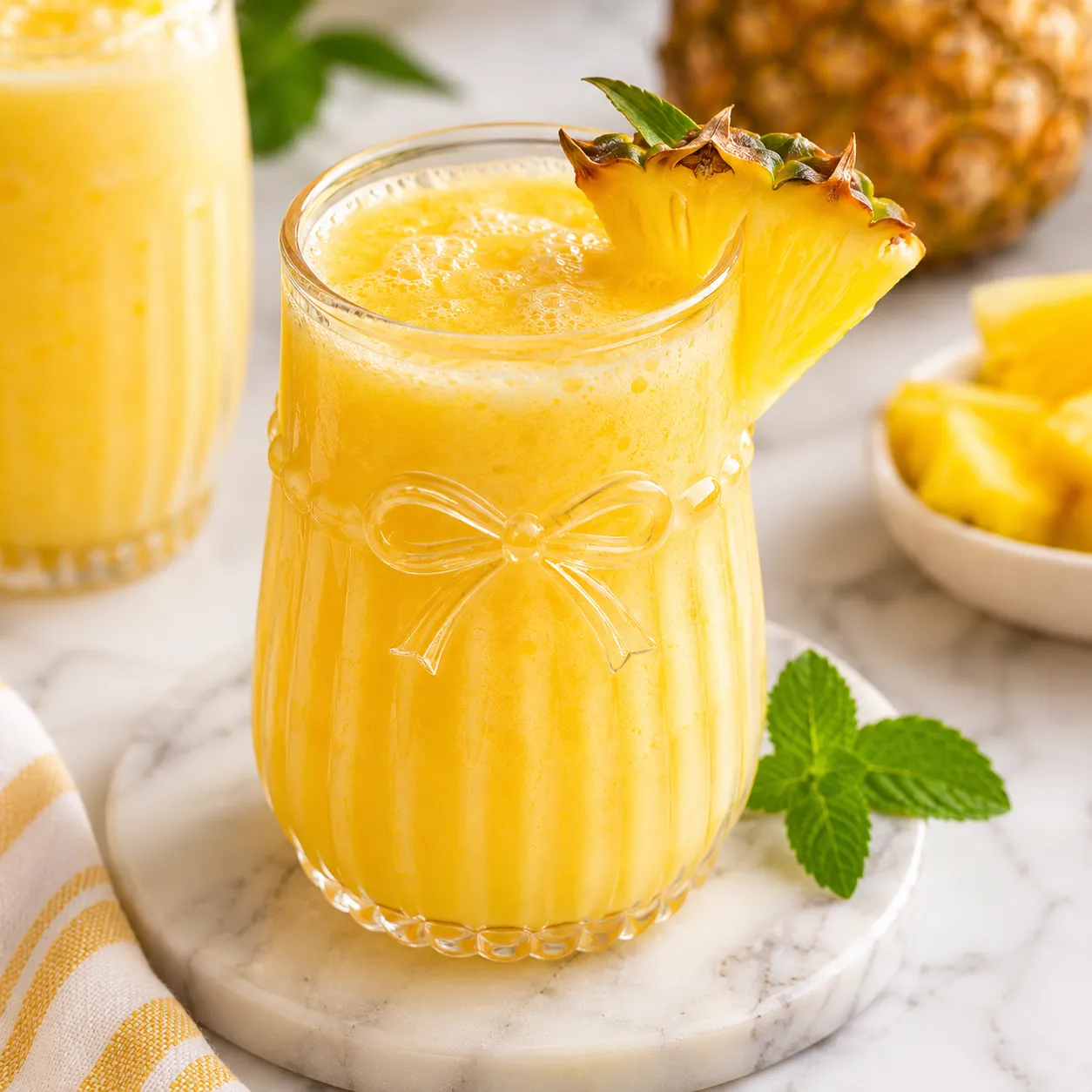
- Tropical version: Swap the berries for frozen mango and pineapple, and use coconut milk instead of almond milk.
- Kid-friendly version: Skip the spinach and peanut butter, and use a full 1 cup of berries with a splash of extra honey for a sweeter, milder flavor.
- Vegetarian protein boost: Add a scoop of plant-based vanilla protein powder along with the yogurt for an extra 15 to 20 grams of protein.
- Gluten-free: This recipe is naturally gluten free as written, just double check your peanut butter brand doesn’t include cross-contact warnings if that matters to you.
- Green smoothie version: Double the spinach to 2 cups and add half an avocado for extra creaminess without changing the sweetness much.
Serving Suggestions
- Pour it over a small bowl of granola and turn it into a smoothie bowl instead of a drink.
- Serve alongside [INTERNAL LINK: overnight oats recipe] for a heartier, two-part breakfast.
- Add a few chia seeds on top for texture and a small fiber boost.
- Pair with a hard-boiled egg on the side if you want more protein than the smoothie alone provides.
- Serve in a tall glass with a reusable straw for an easy grab-and-go breakfast.
- Top with sliced fresh banana and a drizzle of nut butter for a more filling weekend version.
Nutrition Information
Serving size: approximately 12 oz. Servings per recipe: 2.
| Nutrient | Amount |
| Calories | 310 |
| Protein | 18g |
| Carbohydrates | 38g |
| Fiber | 6g |
| Sugar | 24g |
| Fat | 9g |
| Saturated Fat | 2g |
| Cholesterol | 10mg |
| Sodium | 95mg |
Notable nutrients: this smoothie provides a solid dose of potassium from the banana and iron from the spinach. These numbers are estimates only and will shift depending on the exact brands and amounts you use, so treat them as a general guide rather than an exact count.
Why This Recipe Works
The order ingredients go into the blender isn’t a minor detail, it’s the difference between a smooth drink and a chunky one. Liquid at the bottom lets the blades build momentum and pull heavier ingredients down through a vortex, instead of leaving frozen fruit sitting untouched on top of spinning blades.
The fat and protein combination from Greek yogurt and peanut butter does more than add flavor. Fat slows down how quickly your stomach empties, and protein takes longer to digest than fruit sugar alone, which is why a smoothie built this way keeps you full for hours instead of leaving you hungry by mid-morning the way a fruit-only smoothie often does.
Freezing the fruit ahead of time instead of adding ice cubes matters more than it sounds. Ice dilutes flavor as it melts, while frozen fruit chunks melt into the smoothie itself, keeping every sip as flavorful as the first.
Frequently Asked Questions
FAQ Source Note: These questions reflect typical search patterns and common reader questions around breakfast smoothies, based on general knowledge of recurring cooking questions rather than live data.
Can I make this breakfast smoothie ahead of time?
You can prep the frozen fruit and spinach portions ahead of time in freezer bags, but the blended smoothie itself is best consumed within an hour of making it. After that, it separates and loses the thick, milkshake-like texture that makes it enjoyable to drink.
Why is my smoothie too thin?
This usually means your fruit wasn’t fully frozen, or you added too much liquid too fast. Start with less almond milk than the recipe calls for and add more gradually while blending, since it’s much easier to thin a smoothie out than to thicken it back up.
Can I use frozen spinach instead of fresh?
Yes, frozen spinach works fine and actually adds extra chill to the smoothie. Use about 3/4 cup frozen in place of 1 cup fresh, since frozen spinach is more concentrated once thawed and blended.
What can I use instead of Greek yogurt?
Regular plain yogurt works, though the smoothie will be slightly thinner and less protein-dense. A dairy-free yogurt alternative or a scoop of protein powder are both solid substitutes if you need this to be dairy free.
How do I know when the smoothie is blended enough?
Look for a completely smooth texture with no visible green flecks from the spinach and no streaks of yogurt. If you tilt the blender jar and it coats the inside evenly like a thick milkshake, it’s ready.
Is this breakfast smoothie safe for someone with a peanut allergy?
Not as written, since it contains peanut butter. Swap in sunflower seed butter or simply omit the nut butter and add an extra spoonful of yogurt for body. Always check ingredient labels directly if a severe allergy is involved, since cross-contact risk varies by brand.
Conclusion
This is the smoothie I actually make on weekday mornings, not the elaborate ten-ingredient version I only manage on weekends. It works because the ratio is simple and forgiving: frozen fruit, protein, a liquid base, and a little fat, blended in an order that actually matters.
Once you’ve made this breakfast smoothie a couple of times, you’ll stop measuring and start eyeballing it based on what’s in your fridge that day.
If you loved this recipe, save it to your Breakfast & Smoothies Pinterest board so you can find it easily later!
The Ultimate 5-Minute Breakfast Smoothie
Ingredients
Method
- Instructions:
- Pour almond milk into the blender first.
- Add Greek yogurt and peanut butter on top of the liquid.
- Layer in the packed spinach.
- Top with frozen banana and berries.
- Blend on low for 10 seconds, then on high for 30 to 45 seconds until fully smooth.
- Check texture; add a splash more milk if too thick, or a few extra frozen berries if too thin.
- Taste and blend in honey if needed.
- Pour into glasses and serve right away.
Notes
- Best consumed within an hour of blending; it separates on standing.
- Freeze fruit portions in bags ahead of time to cut morning prep to almost nothing.
- Swap almond milk for any milk you have on hand without changing the method.